ENG




7141 visitors online
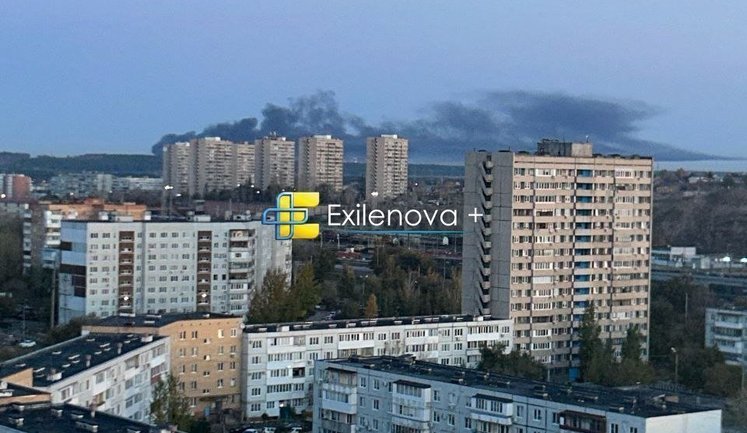
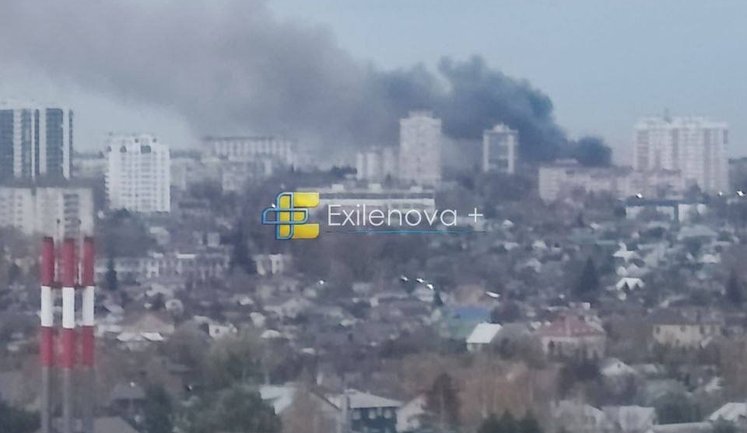
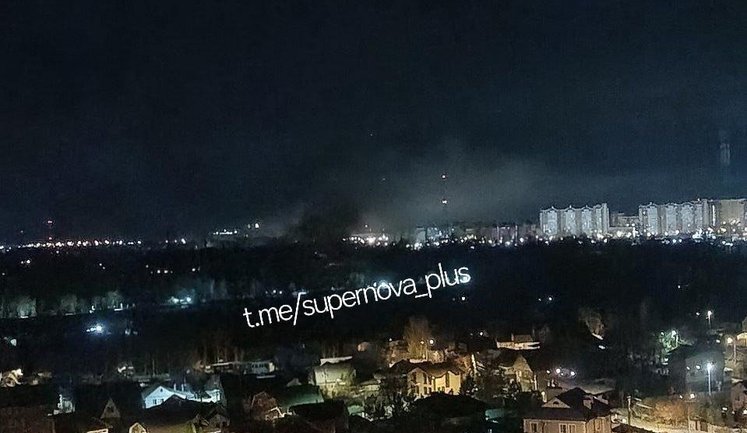
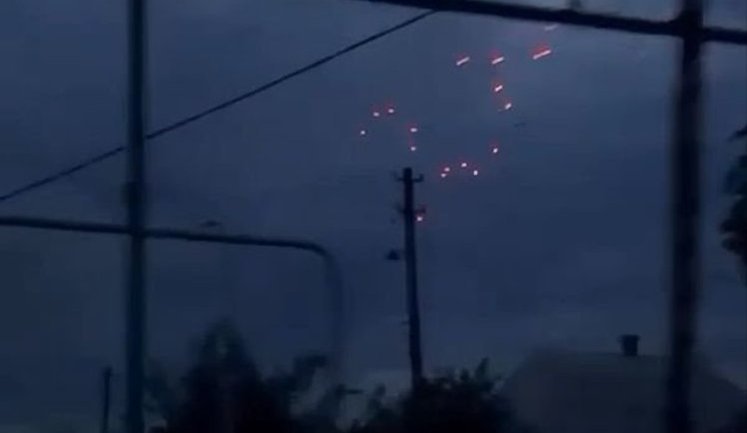
Ukraine has intensified its military strategy, launching significant drone attacks and deep strikes on Russian territories. Recent developments include a fire at the Novatek-Ust-Luga complex due to a targeted operation by Ukraine’s Defence Intelligence and Forces. In Leningrad Oblast, a drone attack ignited a blaze at Ust-Luga port, with simultaneous explosions in Togliatti. Ukrainian drones were also observed over Yekaterinburg. These coordinated efforts align with President Zelenskyy's plan to deploy 1,000 drones daily to sanction Russian facilities, impacting refineries, airfields, and military bases. As a consequence, Russian businesses have increased anti-UAV measures significantly, indicating a heightened state of alert.
What was the outcome of the attack on Novatek-Ust-Luga complex?
The Novatek-Ust-Luga complex was set ablaze following a strategic strike executed by Ukraine's Defence Forces and Intelligence. This attack is part of a broader pattern of targeted operations aimed at destabilizing Russian military and economic strongholds, significantly impacting Russia's ability to conduct warfare effectively.
How did Ukrainian drones affect the port of Ust-Luga?
A Ukrainian drone assault caused a fire at the port of Ust-Luga in Russia's Leningrad Oblast. The incident is part of a series of tactical strikes aimed at critical infrastructure, showcasing Ukraine's capability to reach deep within Russian territory, adding pressure on Russian defenses, and complicating their logistical operations.
What are the implications of strikes on Russian oil refineries?
The strikes on Russian oil refineries have created substantial disruptions in Russian oil production and logistics. These attacks are designed to cripple Russian economic resources, as oil is a vital component of its economy, and to weaken the financial backbone supporting its military operations against Ukraine.
Why are Russian businesses increasing their anti-UAV measures?
The surge in anti-UAV countermeasure purchases by Russian businesses stems from increased drone attacks by Ukraine targeting strategic Russian locations. This trend highlights Russia's vulnerabilities to aerial drone strikes and reflects a significant shift in its defensive strategies to incorporate UAV threat management.
What strategic advantage does Ukraine gain from deep strikes on Russia?
Ukraine’s deep strikes on Russian territory provide a strategic advantage by disrupting military supply chains and degrading Russia's capacity to retaliate. These operations aim to reduce Russia’s military effectiveness and force a reallocation of its defensive resources, thereby easing pressure on Ukrainian forces along the front lines.
How does President Zelenskyy justify the drone and missile attacks?
President Zelenskyy justifies these drone and missile attacks as necessary defensive actions to neutralize threats and sanctions against Russian military and economic targets. They aim to undermine Russia's war-funding capabilities and exert diplomatic pressure, potentially accelerating negotiations or conflict resolution.
What role do Ukrainian drone forces play in these attacks?
Ukrainian drone forces play a crucial role in executing long-range attacks on Russian targets. Their precision and ability to reach deep into enemy territory allow Ukraine to disrupt Russian logistics, military command structures, and infrastructure, contributing significantly to Ukraine’s strategic defense efforts.
What was the international response to Ukraine's strikes on Russian territory?
International response to Ukraine's strikes on Russian territory varies, with some countries expressing support for Ukraine's right to self-defense, while others warn of escalating tensions. These operations underline the complexities of geopolitical dynamics, with global powers monitoring closely to foresee potential diplomatic developments.
How effective have Ukrainian strikes been on Russian military infrastructure?
Ukrainian strikes on Russian military infrastructure have been impactful, causing significant damage to airbases, radar installations, and logistical hubs. Though not critically debilitating, they force Russia to reallocate defensive resources, thereby offering a tactical advantage to Ukrainian forces by thinning out Russian capabilities across multiple fronts.
Are Ukrainian strikes changing the public opinion within Russia?
Yes, these strikes are influencing public opinion within Russia, as seen in societal discontent and criticism of the Kremlin. The attacks have highlighted vulnerabilities in Russian defenses, leading some segments of the population to question the ongoing conflict, thereby potentially swaying political dialogues and decision-making processes internally.
Related photo news Striking Russia
 Missiles strike Russia’s Oryol: "Two f#cking blasts and it’s smoking! Holy sh#t!". VIDEO On 23 October, Ukraine’s Defence Forces launched a missile strike on the Russian city of Oryol. Russians are complaining of explosions and an air raid alert. 7 895 27 Previously in trend: Striking Russia
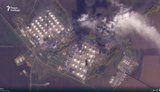 "Samara" LPDS continues to burn in Russia’s Samara region: drones have attacked it three times this month. SATELLITE IMAGE A fire continues to burn at the Samara line production and dispatch station (LPDS) in Russia’s Samara region, which Ukraine has attacked three times this month. 2 805 7 Previously in trend: Striking Russia
 Moscow Region came under massive drone attack: ’Volodarskaya’ LPDS was hit. VIDEO+PHOTO On the night of 5 October, the Moscow Region came under a massive drone attack. 11 910 22 Previously in trend: Striking Russia
 Oil depot ablaze in Russia’s Krasnodar Krai. SATELLITE PHOTO A fire broke out at an oil depot in the village of Pavlovskaya in Russia’s Krasnodar Krai. 2 664 3 Previously in trend: Russian oil depot is on fire Striking Russia
 Drones attacked Moscow region: oil refinery is on fire, 400 people have been evacuated. PHOTOS On the night of 19–20 September, the Moscow Region of the Russian Federation came under a massive drone attack. The Russian authorities reported 249 UAVs. 13 108 75 Previously in trend: Striking Russia
 Explosions were heard in Taganrog: industrial facilities were on fire. VIDEO+PHOTOS On the night of 12 September, powerful explosions were heard in Taganrog, in the Rostov Region. Fires broke out at industrial sites 5 892 41 Previously in trend: Drone attack on Russian regions Striking Russia
 Drone attack on Russia: fire at port of Ust-Luga and explosions in Togliatti. VIDEO+PHOTO On the night of 1 September, a fire broke out at the port of Ust-Luga in the Leningrad Oblast following a drone attack. A series of powerful explosions rocked Togliatti, after which a large-scale fire broke out. 7 038 21 Previously in trend: Drone attack on Russian regions Striking Russia
 Explosions heard in Samara: reports of possible missile strike on ’Progress’ space centre. VIDEO&PHOTOS On the night of 15 August, a series of explosions rocked the Russian city of Samara. The strike is believed to have targeted an industrial zone housing enterprises belonging to the Russian defence industry. 9 268 32 Previously in trend: Striking Russia Strikes on Russian factories
 Explosions have been heard in Bryansk: column of black smoke hangs over the city. PHOTO Explosions have been heard in Bryansk, Russia. This was reported by ASTRA, according to Censor.NET. 3 871 12 Previously in trend: Striking Russia
 Fire breaks out at main Roscosmos research centre in Moscow region, where ballistic missiles are developed – Russian media. PHOTO A fire broke out at the Central Research Institute of Machine Building (known as TsNIIMash) in Korolyov in the Moscow region. It is Roscosmos’s main research centre and develops ballistic missiles and other military technologies. 5 389 32 Previously in trend: Striking Russia
 "Birds of Magyar" preparing new long-range strikes against Russian military targets – Unmanned Systems Forces. PHOTOS The Unmanned Systems Forces of the Armed Forces of Ukraine have announced a new series of strikes against Russian military facilities. Long-range drones operating in the enemy’s operational depth are already being prepared for combat deployment. 2 772 4 Previously in trend: Striking Russia
 Zelenskyy hears reports from Drapatyi, Khmara and Palisa: Course of action determined in response to Russian strikes on Ukraine’s infrastructure. PHOTOS President Volodymyr Zelenskyy heard reports from Mykhailo Drapatyi, Yevhenii Khmara and Pavlo Palisa. 1 879 17 Previously in trend: Striking Russia
 Explosions were heard in Kirov, Russia: the ’Aviatek’ factory was likely targeted. VIDEO+PHOTOS Explosions were heard this morning in the Russian city of Kirov, resulting in a plume of smoke visible above the city. 11 829 19 Previously in trend: Striking Russia
 "Transneft-Ural" facility was attacked by drones in Russian region of Bashkortostan. PHOTOS In the Russian region of Bashkortostan, drones attacked a ‘Transneft-Ural’ facility. 7 221 10 Previously in trend: Striking Russia
 Fires at Russian Wildberries warehouses in Krasnodar and Nevinnomyssk after attack by Ukrainian Armed Forces. SATELLITE IMAGES The consequences of Ukrainian Armed Forces strikes on Wildberries logistics centres in Russia’s Krasnodar and Stavropol krais have emerged. 4 950 15 Previously in trend: Drone attack on Russian regions Striking Russia
 Defence forces have attacked Russia: Wildberries warehouses and oil depot are ablaze. VIDEO+PHOTOS On the night of 18 July, the Ukrainian Defence Forces carried out a large-scale drone attack on a number of targets on Russian territory. 16 039 99 Previously in trend: Drone attack on Russian regions Striking Russia
 Ukraine has forced Russia to redeploy air defence systems from Far North to protect against strikes by AFU, – media SATELLITE IMAGES Air defence systems have been removed from several strategically important sites in Russia’s Far North. They are being redeployed to other regions of the occupying country to protect them from attacks by Ukrainian UAVs. 2 385 20 Previously in trend: Striking Russia
 Fire broke out near oil refinery in Syzran, Russia, following drone attack. PHOTOS On the night of 12 July, the Russian town of Syzran in the Samara Region came under attack from drones. A local oil refinery may have been hit. 5 286 20 Previously in trend: UAV attack on oil refinery of Russia Striking Russia
 Blackout occurred in Belgorod following explosions, fire has been reported at gas facility. VIDEO+PHOTOS On the night of 7 July, a series of powerful explosions rocked the Russian city of Belgorod and the surrounding region. A power cut occurred in the city. 5 740 6 Previously in trend: Striking Russia Strikes on Russian energy system
 Ukrainian defence forces attacked Yaroslavl Oil Refinery, port of Kerch and facilities in Crimea. VIDEO+PHOTOS On the night of 6 July, the Ukrainian Defence Forces carried out a strike on the Yaroslavl Oil Refinery (YANOS) in Russia. The port of Kerch and a number of other targets in the temporarily occupied Crimea were also attacked. 7 638 17 Previously in trend: Attacks on Crimea Striking Russia
 Michurinsk Thermal Power Plant has been attacked in Belgorod, Russia: fire has broken out. PHOTO The ‘Michurinskaya’ thermal power station in Belgorod, Russia, has been attacked. 4 144 42 Previously in trend: Striking Russia Strikes on Russian energy system
 Aftermath of FP-5 Flamingo missile strikes on Titan-Barrikady plant in Russia’s Volgograd. SATELLITE IMAGES Ukrainian FP-5 Flamingo missiles struck the Russian Titan-Barrikady plant in Volgograd on June 27. Iskanders are produced there. Journalists have published satellite evidence of destruction at the strategic enterprise of Russia's military-industrial complex. 5 355 8 Previously in trend: Striking Russia Strikes on Russian factories
 Explosions heard in Penza, Russia: threat from UAVs. VIDEO&PHOTOS Explosions were heard in Penza, Russia. Residents were warned of the danger posed by UAVs. 4 998 7 Previously in trend: Striking Russia
 Slavyansk oil refinery in Krasnodar Krai of Russian Federation has been on fire for second day following Ukrainian strike SATELLITE IMAGE The Slavyansk Oil Refinery, located in the town of Slavyansk-on-Kuban in the Krasnodar Krai of the Russian Federation, has been on fire for a second day following an attack by the Defence Forces on the night of 28 June. 3 609 16 Previously in trend: UAV attack on oil refinery of Russia Striking Russia
 Explosions have been heard in Ufa, Russia: two oil refineries have been attacked (updated). VIDEO+PHOTOS Explosions have been heard in Ufa, Russia. A column of black smoke can be seen rising from one of the sites. 7 747 11 Previously in trend: Striking Russia
 Burning oil depots and damaged bridges: aftermath of strikes on occupied Crimea and Russia SATELLITE IMAGES Satellite images have captured damage to key logistics routes used to supply Russian troops in occupied Crimea, as well as fires at oil facilities in the region. 3 865 12 Previously in trend: Attacks on Crimea Striking Russia
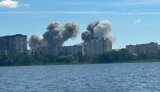 Aftermath of Ukrainian Armed Forces’ missile strike on missile electronics factory in Voronezh, Russia. SATELLITE PHOTOS The first satellite evidence confirming the Ukrainian Armed Forces’ successful missile strike on the‘Voronezh Semiconductor Plant’ in Russia has appeared online. The attack damaged buildings at the facility, which manufactures electronics for Russian ‘Iskander-K’ and Kh-101 missiles, as well as... 7 859 61 Previously in trend: Striking Russia
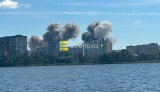 Russian city of Voronezh is under missile attack: semiconductor plant under attack. VIDEO+PHOTOS Explosions have been heard in Voronezh, Russia. The city is believed to be under missile attack. 12 419 80 Previously in trend: Striking Russia
 Fedorov showed Pistorius footage of Moscow ablaze following Ukrainian Armed Forces’ drone attack. PHOTO During a meeting of the Ukraine Defence Contact Group in the ‘Ramstein’ format, Defence Minister Mykhailo Fedorov showed his German counterpart, Boris Pistorius, photographs of Moscow following Ukrainian strikes on the morning of 18 June. 8 374 56 Previously in trend: Striking Russia Strike on oil refinery in Moscow
 SOF struck oil depot and a fuel and lubricants depot in Rostov Region of Russian Federation with drones. PHOTO On the night of 18 June, Deep Strike units of the Special Operations Forces struck the ‘Rostovnefteprodukt’ oil depot and a fuel and lubricants depot in the Rostov Region of the Russian Federation. 4 770 10 Previously in trend: UAV attack on oil refinery of Russia Striking Russia
 Refinery takes its hat off: Ukrainians joke on social media after strikes on Moscow. VIDEO+PHOTOS Censor.NET has compiled the wittiest jokes from Ukrainians about the Defence Forces’ equally spectacular strikes on the Russian capital. 9 556 15 Previously in trend: Striking Russia
 Belarus has accused Ukraine of attacking bus carrying children in Bryansk region of Russian Federation: Minsk is demanding explanation. PHOTO The Belarusian Ministry of Foreign Affairs has accused Ukraine of carrying out a drone attack on a passenger coach carrying a children’s football team from Gomel in the Bryansk region of the Russian Federation, and has officially described the incident as an "act of terrorism". The Investigative... 9 154 39 Previously in trend: Striking Russia
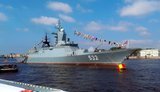 Russian corvette "Boikiy" is beyond repair after the AFU strike in Kronstadt. SATELLITE PHOTOS Published satellite images from Kronstadt have recorded the destruction of the Russian Project 20380 missile corvette "Boikiy" following a successful attack by Ukrainian drones. The scale of the internal fires led to the deformation of the hull and the collapse of radar systems, making the... 11 561 34 Previously in trend: Striking Russia
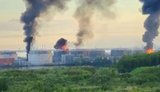 Aftermath of attack on St. Petersburg Oil Terminal. SATELLITE PHOTO A large-scale fire broke out at the St. Petersburg Oil Terminal following a UAV attack. 9 061 21 Previously in trend: Striking Russia
 Explosions were heard overnight in Chuvash Republic: Russian defence plant has been attacked. VIDEO+PHOTOS On the night of 4 May, a series of explosions was heard in Cheboksary, Russia; the target was believed to be a factory producing navigation modules for Russian military equipment. 9 769 38 Previously in trend: Striking Russia Strikes on Russian factories
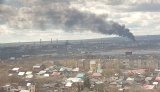 SSU drones attacked oil refinery in Perm: "Lukoil-Permnefteorgsintez" was hit. VIDEO&PHOTOS For the second day in a row, drones from the "Alpha" Special Operations Center have struck infrastructure at one of Russia's key oil refineries in Perm, located more than 1,500 km from the border. 4 454 8 Previously in trend: UAV attack on oil refinery of Russia Striking Russia
 Aftermath of another drone strike on Tuapse oil refinery. SATELLITE PHOTOS Satellite images have been released showing a new fire in the area of the port and oil refinery in Tuapse following another drone attack. 8 583 38 Previously in trend: UAV attack on oil refinery of Russia Striking Russia
 Drones attacked Yekaterinburg and Chelyabinsk for first time – targeting aviation college, - media. VIDEO+PHOTOS On the night of 25 April, drones struck the Russian Urals for the first time since the full-scale war began. Yekaterinburg and Chelyabinsk, located more than 1,800 kilometres from the border with Ukraine, were targeted. 7 205 29 Previously in trend: Striking Russia
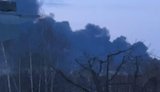 SSU drones attacked "Gorky" oil depot in the Nizhny Novgorod region of Russia, - sources. VIDEO+PHOTOS Drones belonging to the SSU’s "Alpha" Special Operations Centre attacked the "Gorky" oil pumping station in the Nizhny Novgorod region of the Russian Federation. 6 146 18 Previously in trend: Striking Russia
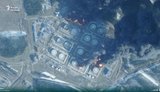 Consequences of strike on Primorsk oil terminal in Leningrad Oblast of Russian Federation SATELLITE IMAGES At least four fuel tanks have been damaged following a drone attack on the Primorsk oil terminal in the Leningrad Oblast of the Russian Federation. 5 972 13 Previously in trend: Striking Russia
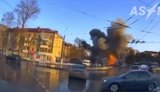 Dashcam recorded moment when Ukrainian Armed Forces missiles hit Kremniy El plant in Bryansk. VIDEO A video has appeared showing the moment when Ukrainian Armed Forces missiles hit the Kremniy El Group plant in Bryansk. 27 829 131 Previously in trend: Striking Russia Long-range missiles
 Consequences of drone strike on oil depot in Armavir. SATELLITE IMAGES A satellite image taken on 8 March captured the aftermath of a Ukrainian drone strike on an oil depot in Armavir in the Krasnodar Krai region of Russia. 7 851 27 Previously in trend: Drone attack on Russian regions Striking Russia
 Explosions were heard in Cheboksary, Russia, near the "VNIIR-Progress" defence enterprise. PHOTOS On the night of 18 February, a series of explosions rocked the Russian city of Cheboksary. 3 974 9 Previously in trend: Striking Russia
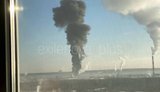 Oil refinery burns in Russian city of Ukhta after UAV attack. VIDEO+PHOTOS Explosions were heard in the Russian city of Ukhta (Republic of Komi), 2,000 km from Ukraine. The "Lukoil-Ukhtaneftepererabotka" Oil Refinery was hit. 7 506 15 Previously in trend: UAV attack on oil refinery of Russia Striking Russia
 Russian army losses in January exceeded reinforcements by 9,000 – Syrskyi. PHOTOS In January, the Armed Forces of Ukraine stabilized the situation on the front line, inflicting significant losses on the enemy in terms of manpower and equipment. Over the course of the month, the Russian army lost 31,700 soldiers, exceeding its reinforcements by approximately 9,000 personnel. 2 300 19 Previously in trend: Elimination of Russian occupiers Striking Russia
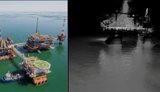 SSU drones strike Russian oil platforms in Caspian Sea again, - sources. PHOTO Long-range drones from the SSU's "Alpha" Special Operations Centre successfully attacked the Filanovsky oil production platform for the second time this week. As a result of the attack, production processes have been suspended. 10 246 17 Previously in trend: Striking Russia
 Plane catches fire at airfield in Russia’s Taganrog after drone attack – Russian media. VIDEO+PHOTOS In the Russian city of Taganrog, an aircraft caught fire at a military airfield during an overnight UAV attack. 13 245 10 Previously in trend: Drone attack on Russian regions Striking Russia
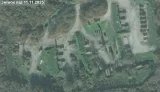 Four S-400 Triumph air defence missile launchers and two radar complexes in Novorossiysk were destroyed, - sources. SATELLITE IMAGES On 14 November 2025, unmanned systems of the SSU's Alpha Special Operations Centre struck military infrastructure in Novorossiysk, Russia, destroying four S-400 Triumph air defence missile launchers and two radar complexes. 6 683 31 Previously in trend: Striking Russia Strikes on Russia’s oil ports
Page 1 of 2
more photo