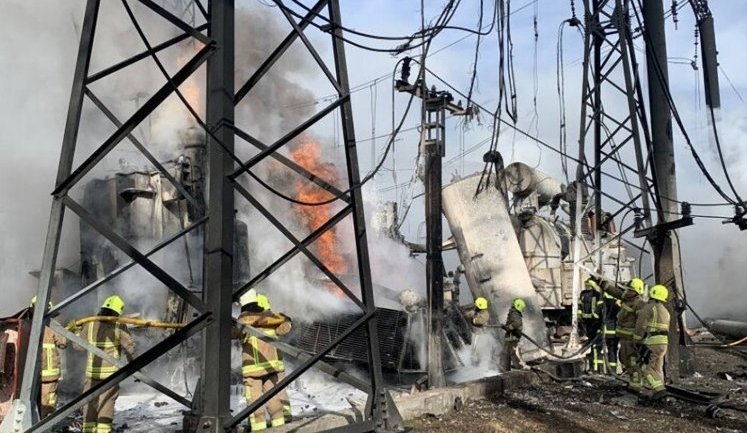
Ukraine's electric power sector faces ongoing challenges as power outages persist due to energy deficits and infrastructure strains. The country's energy system, operating under deficit conditions, has introduced power cut schedules throughout regions, reflecting the sector's fragility. Upcoming winters are expected to be difficult, with power outages returning during nuclear plant repairs. However, efforts to reshape the energy landscape include introducing "energy cells" and 1.5 GW of new gas generation, reinforcing energy independence. International relations also play a role, with issues like suspended emergency assistance from Slovakia affecting stability. The government plans a 20% electricity tariff increase to ensure system sustainability.
What is the current situation of power outages in Ukraine?
Power outages in Ukraine have been implemented frequently due to the energy system operating under deficit conditions. This has resulted in industry-wide power restrictions and hourly schedules for households. Despite infrastructure updates and the introduction of new generation plans, the system remains fragile and highly contingent on upcoming weather and repair activities.
How are electricity tariffs expected to change in Ukraine?
Electricity tariffs in Ukraine are set to increase by 20% as the government plans to align prices with international partner recommendations. This change aims to stabilize the electric power sector amid ongoing challenges and ensure future energy security by boosting investment in energy infrastructure.
What role does international cooperation play in Ukraine's energy sector?
International cooperation is critical for Ukraine's energy sector, particularly in mitigating electricity supply deficits. Relationships with neighboring countries, such as Hungary and Slovakia, play a role in emergency electricity supplies. This cooperation supports Ukraine's ability to manage its energy needs during crises and geopolitical tensions affecting energy resources.
How is Ukraine addressing the energy supply challenges?
Ukraine is addressing energy supply challenges by restructuring its electricity network to include "energy cells" and deploying 1.5 GW of new distributed gas generation. These measures aim to increase energy resilience and adaptability, reducing dependency on external electricity imports and mitigating the impact of energy deficits on the population.
What impact does the geopolitical climate have on Ukraine's energy supply?
The geopolitical climate frequently impacts Ukraine's energy supply, with regional tensions affecting oil transit routes and emergency supply agreements with countries like Hungary and Slovakia. Such dynamics introduce uncertainties that complicate the consistent availability of electricity, demanding strategic navigation of energy policies and international relations.
Will there be any improvements in energy infrastructure in Ukraine soon?
Yes, Ukraine plans to improve its energy infrastructure by deploying "energy cells" and adding 1.5 GW of new gas generation capacity. This infrastructure evolution is part of a broader strategy to enhance energy independence, but the sector's recovery will largely depend on continual maintenance and geopolitical developments in the region.
How are emergencies in nuclear power plants affecting electricity availability?
Emergencies and maintenance schedules in nuclear power plants significantly affect electricity availability in Ukraine, often resulting in increased power outages. The planning for blackouts corresponds with repair activities to manage energy deficits, underscoring the essential role of nuclear facilities in the country's electric power infrastructure.