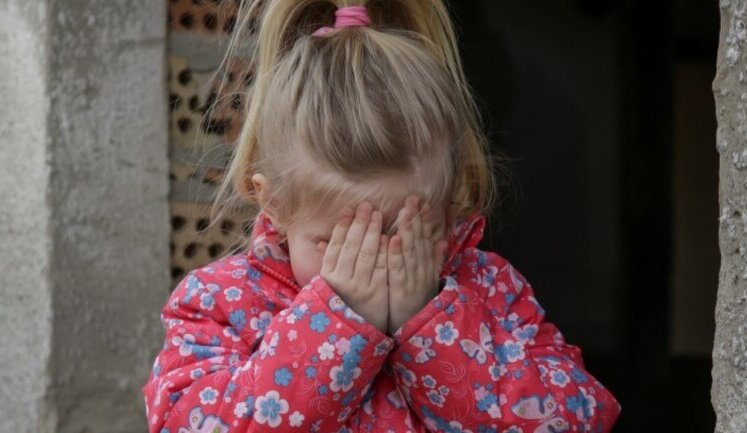
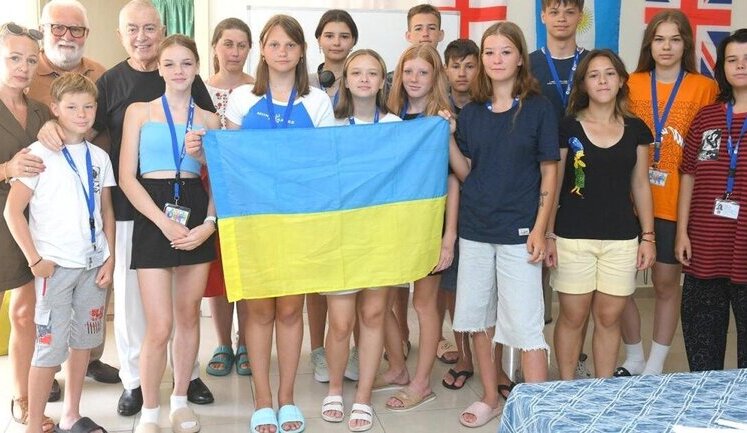
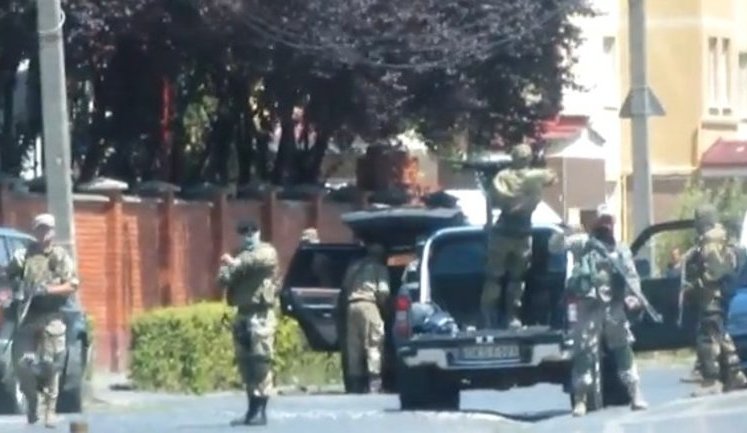
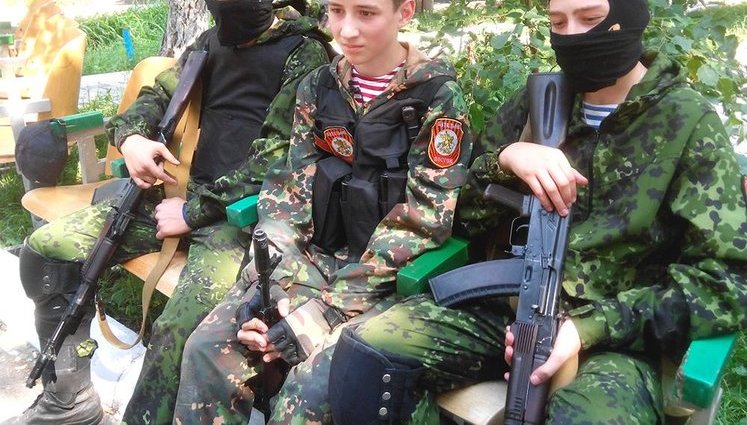
The conflict in Ukraine has seen alarming instances of child militarization in Russia and illicit activities involving children. Ukrainian authorities have imposed sanctions on Russian entities linked to child abductions and utilize initiatives like "Bring Kids Back UA" to repatriate displaced children. Globally, Europol aids in locating forcibly transferred youths, while US and international support strengthens these efforts. Cases of violence and exploitation remain significant concerns, as various international organizations condemn Russia's policies of child deportation and manipulation as crimes against humanity. Such global cooperation underscores the urgency in safeguarding affected children's welfare and rights.
What is the Bring Kids Back UA initiative and who is behind it?
The Bring Kids Back UA initiative aims to reunite Ukrainian children forcibly taken by Russia back to safety. Led by President Volodymyr Zelenskyy, it involves cooperation between Ukrainian state structures, non-governmental organizations, and international partners, thereby highlighting Ukraine's commitment to safeguarding the rights and welfare of its youth amidst the ongoing conflict.
How is Ukraine addressing the militarization of children?
Ukraine is actively condemning and imposing sanctions on activities related to the militarization of children, particularly in response to Russia's use of educational programs to indoctrinate children with military propaganda. Ukrainian officials are pursuing legal action against those who organize such activities, emphasizing the country's firm stance against utilizing children in military or political agendas.
How are international entities like Europol involved in tracing Ukrainian children?
Europol is crucial in tracing and investigating cases of forcibly transferred Ukrainian children. Through coordinated investigations with global partners, Europol utilizes open-source intelligence to trace these children, assisting Ukraine in these complex operations. This international collaboration underscores the global community's concerted efforts to address and mitigate the humanitarian impacts of the conflict.
What actions has the US taken to support Ukrainian children?
The US has allocated $25 million to fund initiatives supporting the return and rehabilitation of displaced Ukrainian children. This financial support signifies a substantial commitment to international cooperative efforts aimed at countering the forcible displacement of children and providing comprehensive reintegration and recovery programs.
How has the international community responded to Russia's actions against children in Ukraine?
The international community, including the UN and various human rights organizations, has strongly condemned Russia's deportations and forced transfers of Ukrainian children as crimes against humanity. These actions are viewed as egregious violations of children's rights, prompting significant global censure and legal discussions aimed at holding responsible parties accountable.