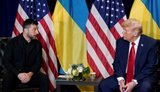
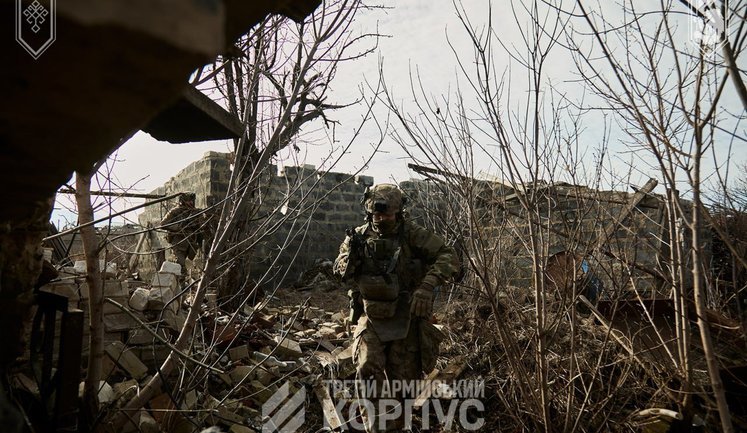
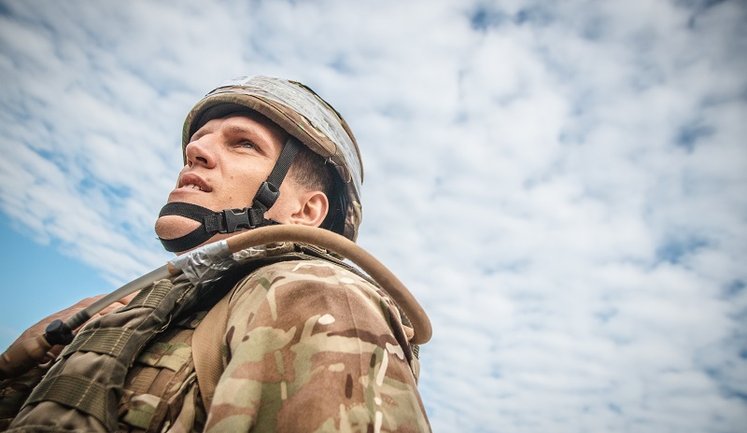
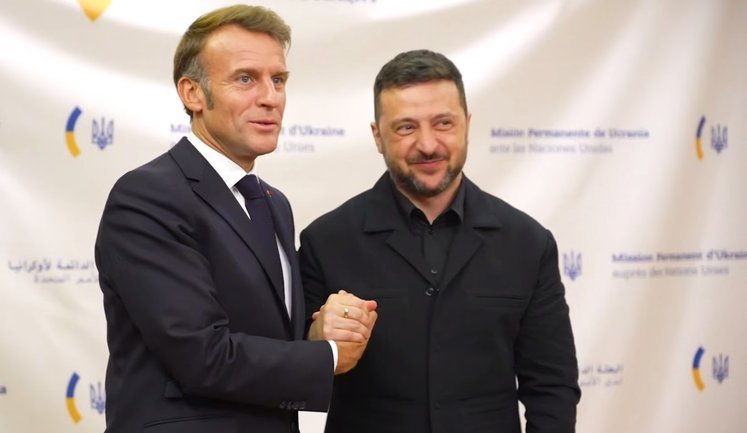
The conflict in Ukraine faces a critical turning point as global powers, led by the US and President Trump, strive to broker peace with Russia. Security guarantees and economic sanctions are seen as pivotal to ending hostilities. Ukrainian President Zelenskyy urges increased pressure on Putin while dismissing his unreliable assurances. The rejection of Russian energy by the West could accelerate peace efforts. The EU and US advocate a strong diplomatic approach while emphasizing the need for Ukraine's sovereignty and border integrity. While Ukraine supports American proposals to conclude peace by July 4, skepticism remains over achieving a swift settlement.
What are the key conditions for peace between Ukraine and Russia?
Peace involves Ukraine retaining sovereignty over its territories, security guarantees from Western allies, and economic sanctions on Russia to pressure compliance with any agreements. However, Russia's demands for territorial concessions complicate negotiations.
Why is economic pressure on Russia important for ending the war?
Economic pressure, such as the West's rejection of Russian energy, aims to weaken Russia’s war efforts by depriving it of essential revenue streams. This strategy is intended to pressure Moscow into negotiating a peace settlement with Ukraine.
What role does the US play in achieving peace in Ukraine?
The United States, under President Trump, is key in brokering peace. The US aims to provide security guarantees to Ukraine, exerting diplomatic and economic pressure on Russia, and supporting Ukraine’s defense capabilities to ensure a lasting ceasefire.
How do security guarantees influence the peace process in Ukraine?
Security guarantees are vital as they assure Ukraine of protection against future aggression. These guarantees involve commitments from the US and Europe to respond to breaches and support Ukraine's defense, thus forming the bedrock of any peace agreement.
Is a peace agreement between Ukraine and Russia likely in the near future?
While efforts are intensified, multiple factors, including Russia's demands and Ukraine's sovereignty concerns, make a quick resolution unlikely. Leaders continue to seek diplomatic avenues and build international consensus for a sustainable peace pact.
How does Zelenskyy view Putin's promises regarding peace?
President Zelenskyy remains skeptical of Putin’s promises, believing that without concrete actions and agreements backed by international guarantors, Russia's words alone are insufficient for achieving a reliable peace in Ukraine.
What impact does the West's stance on Russian energy have on the conflict?
The West's refusal to purchase Russian energy aims to cut funding for Russia's military operations, increasing internal and external pressures for a diplomatic resolution to the war. This economic strategy is central to shortening the war's duration and facilitating peace talks.
What initiatives are being discussed to monitor peace implementation?
The US is contemplating the creation of a "Peace Council" to oversee the adherence to peace agreements, ensuring compliance and addressing potential violations by Russia, thereby maintaining accountability and stability in the post-war period.
What is the EU’s approach to ending the war in Ukraine?
The EU, led by figures like Kaja Kallas, demands Russia's troop withdrawal and adherence to Ukraine's territorial integrity as prerequisites for peace. The EU also supports Ukraine's defense capabilities and works closely with the US to apply diplomatic pressure on Russia for conflict resolution.
Could Ukraine's EU accession impact the peace process?
Rapid integration into the EU, part of larger peace efforts, signifies robust support for Ukraine and increases economic and defense cooperation, potentially acting as a deterrent against further aggression and facilitating sustained peace negotiations.