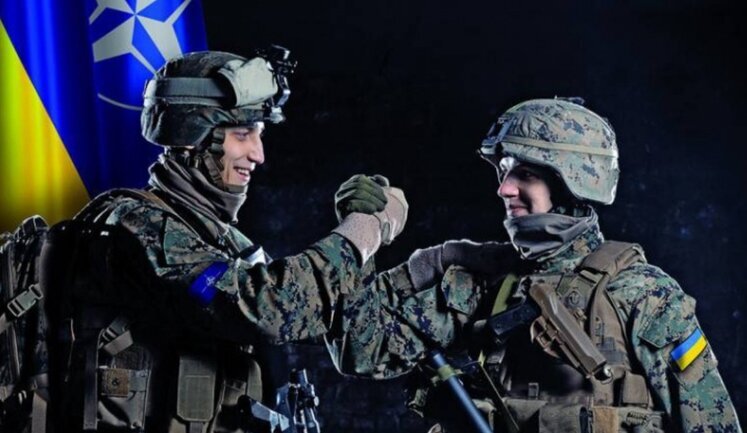
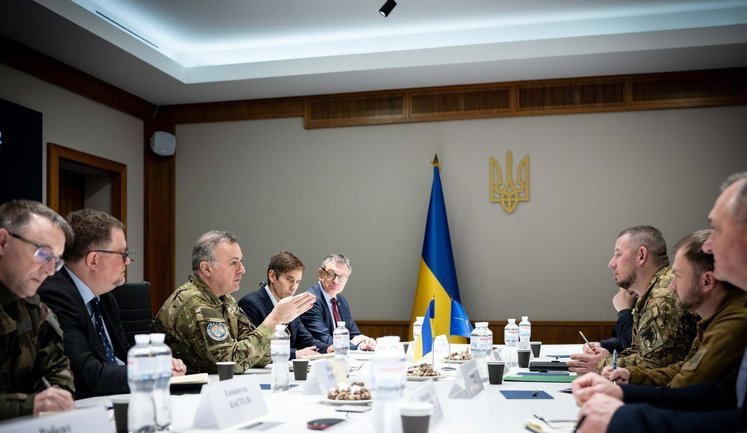
NATO's consistent emphasis on global security has witnessed monumental developments recently. As all NATO countries reached the 2% GDP defense spending mark, the Alliance showcases a commitment to fortifying defense capabilities. Highlighting ongoing collaborations, the UNITE—BRAVE NATO program with Ukraine signifies innovative defense partnerships. Amid these advancements, concerns over potential future threats, including a Russian attack, underscore NATO’s pivotal role in global peace and security. The historical visit of a NATO delegation to Ukraine led by Admiral Vandier, since the war's escalation, further solidifies NATO's presence and support in critical geopolitical spheres.
What is the significance of NATO's 2% GDP defense spending achievement?
The achievement by NATO countries to reach or exceed 2% GDP in defense spending marks a unified commitment to strengthening defense capabilities. This milestone reflects NATO's strategic emphasis on collective security and readiness in the face of potential global threats, reinforcing its defensive posture to maintain peace and stability.
How does NATO's collaboration with Ukraine impact regional security?
NATO's collaboration with Ukraine, such as the UNITE—BRAVE NATO program, aims to foster joint defense innovation between Ukrainian and NATO member companies. This cooperation is pivotal in enhancing regional security, providing Ukraine with technological advancements and comprehensive defense partnerships, further integrating its defense capabilities with those of the Alliance.
What was the purpose of Admiral Vandier's visit to Ukraine?
Admiral Vandier's visit to Ukraine was significant in reinforcing NATO's support amid the ongoing war. This high-level delegation visit underscores NATO's commitment to alliance-building and strategic support, reassuring Ukraine of its position within the international community while emphasizing NATO's influential role in mitigating regional conflicts and fostering stability.
What are NATO's concerns about potential Russian aggression?
Concerns among NATO members regarding potential Russian aggression stem from strategic evaluations and geopolitical tensions. These assessments highlight the possibility of future conflict by 2029, thereby emphasizing the Alliance's need for preparedness and strengthening defenses. NATO remains vigilant and strategically focused on deterring any challenges to its collective security framework.
Why are defense innovation competitions like UNITE—BRAVE NATO important?
Defense innovation competitions such as UNITE—BRAVE NATO facilitate collaborations between Ukrainian and NATO member companies to develop advanced defense technologies. These initiatives are crucial in fostering innovation within the defense sector, enhancing technological capabilities and integration, and ensuring the Alliance remains at the forefront of defense advancements to respond effectively to global challenges.
What statement did NATO Secretary General Rutte make about the Alliance's priorities?
NATO Secretary General Mark Rutte stated that, despite escalating tensions in the Middle East, the Alliance's priority remains supporting Ukraine against Russian aggression. This statement reflects NATO's steadfast commitment to Europe's security and its strategic intent to maintain focus on primary threats to collective peace and stability, indirectly influencing global diplomatic dynamics.
How does NATO's stance affect its relationship with the US?
NATO's strategic stance, including reaching financial targets and engaging in innovative collaborations, strengthens its relationship with the US, emphasizing shared goals of global security. Despite tensions in other regions, NATO supports US-led initiatives when aligned with broader Alliance priorities, reinforcing collective defense commitments and alliance durability.