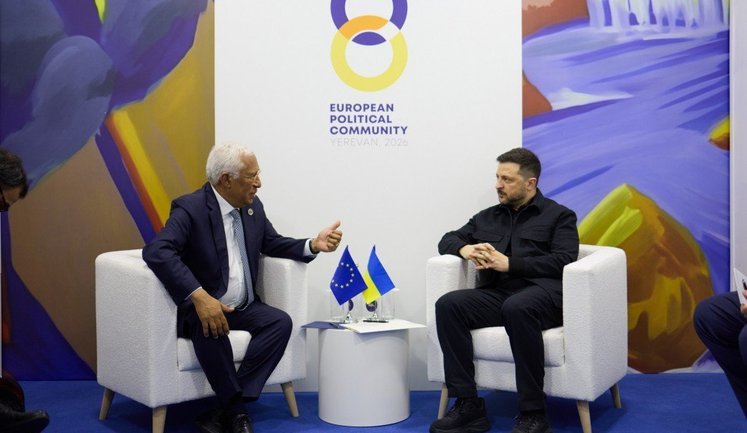
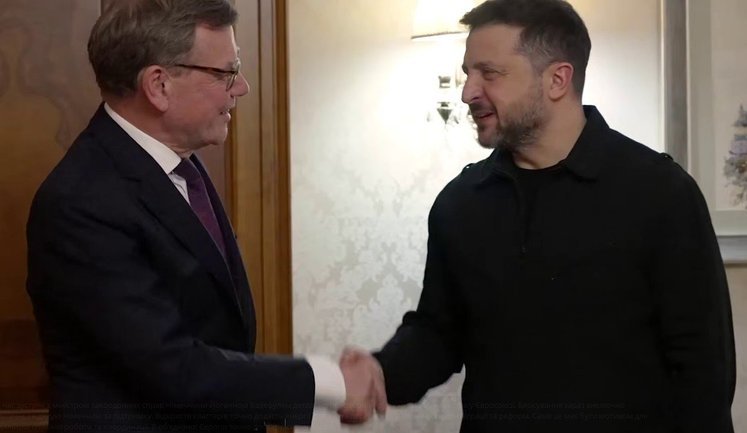
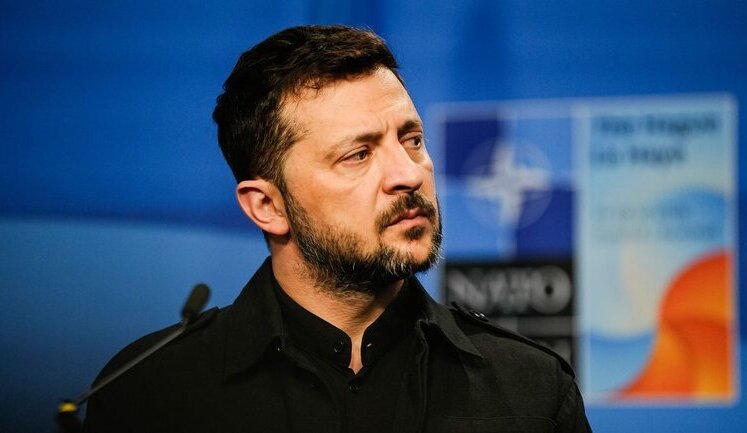
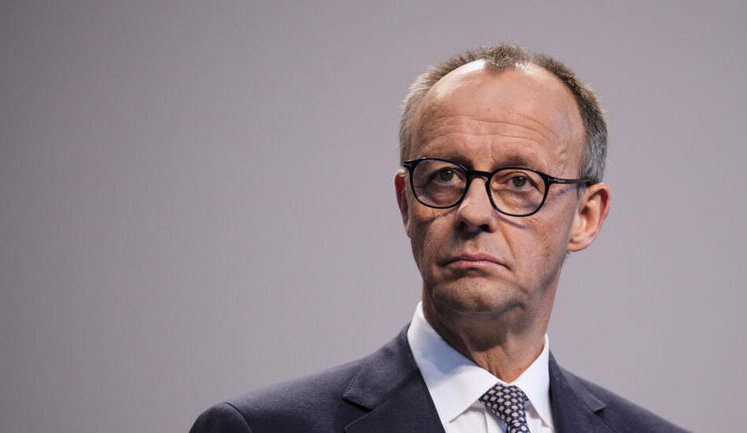
Ukraine's EU membership journey is fraught with political challenges in 2026, as Germany and France propose limited "symbolic" EU privileges for Kyiv. Ukrainian President Zelensky opposes such compromises, demanding full membership rights. The EU debates a two-stage accession model for Ukraine, raising questions on the bloc's enlargement strategy and geopolitical implications. Despite Hungary's reluctance, Ukrainian officials express optimism, aiming for progress in meeting EU criteria. Discussions on specific accession dates highlight the complexities of Ukraine's integration into the European Union, with a potential target set by some for 2027, contingent on significant reforms and political consensus among EU member states.
What are the main challenges for Ukraine's EU membership?
Ukraine faces several challenges on its path to EU membership, including political opposition from certain EU member states, the need for comprehensive reforms in governance and anti-corruption, and meeting the EU's stringent accession criteria. The debate over a two-stage accession model and limited "symbolic" membership privileges also complicate negotiations, making the timeline for full membership uncertain.
Why does President Zelensky oppose "symbolic" EU membership for Ukraine?
President Zelensky opposes "symbolic" EU membership because it would grant Ukraine limited privileges without full access to the EU budget and voting rights. Zelensky argues that Ukraine needs complete membership to secure its economic stability and political sovereignty, rejecting any compromised version of EU integration that he refers to as "EU-lite."
What is the proposed two-stage model for Ukraine's EU accession?
The proposed two-stage model for Ukraine's EU accession involves granting partial membership first, allowing Ukraine to integrate into the EU's economic framework while gradually meeting political and legal criteria for full membership. This approach aims to balance the urgency for Ukraine's inclusion with the need to uphold stringent EU standards, though it remains a topic of debate among member states.
How could Hungary's political stance impact Ukraine's EU accession?
Hungary's political stance could significantly impact Ukraine's EU accession, as Hungary holds veto power over new memberships. Hungarian opposition to accelerated accession could delay negotiations and pressure Ukraine to conform to bilateral or regional demands. This adds complexity to the EU's enlargement strategy and requires diplomatic efforts to overcome potential obstacles posed by dissenting member states.
What reforms does Ukraine need to implement for EU accession?
Ukraine must undertake substantial reforms to progress towards EU accession, focusing on enhancing the rule of law, strengthening anti-corruption measures, and aligning its judicial system with EU standards. These reforms are outlined in the "Kachka-Kos plan," a set of priority actions designed to demonstrate Ukraine's readiness for EU membership and to secure political support from the EU member states.
Will Ukraine be able to meet the 2027 target for EU membership?
Meeting the 2027 target for EU membership is uncertain for Ukraine due to varying political and technical challenges. While Ukrainian leadership is optimistic, stating their commitment to being ready by 2027, EU officials emphasize the complexity of the accession process, the need for substantial reforms, and consensus among all member states, which could influence the timeline.
How does EU membership benefit Ukraine in the current geopolitical context?
In the current geopolitical context, EU membership offers Ukraine significant benefits, including enhanced security guarantees, economic integration, and access to EU markets. Membership would bolster Ukraine's resilience against external threats, particularly from Russia, and provide the country with a stable platform for economic growth and political development within the European framework.
What is the significance of the "political accession" proposal for Ukraine?
The "political accession" proposal holds significance for Ukraine as it could facilitate an earlier transition into the EU framework, providing partial benefits and political leverage while continuing to work towards full membership. This proposal aims to address security concerns and establish Ukraine as a pivotal partner in EU affairs, though it requires agreement from all stakeholder parties.
Why is EU enlargement considered urgent in the context of Ukraine's membership?
EU enlargement is considered urgent in the context of Ukraine's membership due to increasing geopolitical tensions and the need to reinforce the bloc's strategic influence. The accession of Ukraine is seen as a critical step in stabilizing Eastern Europe, countering Russian aggression, and promoting democratic values, thus contributing to the overall security and economic stability of the EU region.