ENG




8936 visitors online
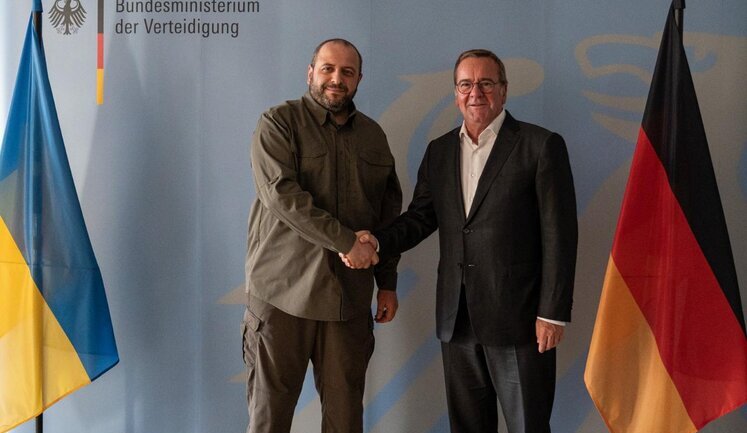
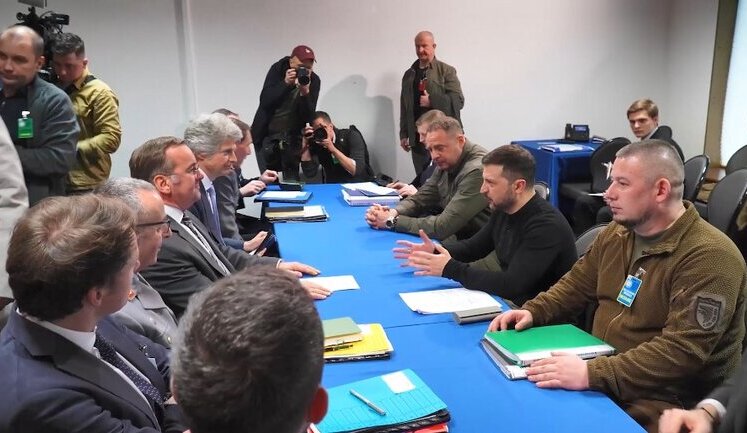
German Defense Minister Boris Pistorius is playing a crucial role in supporting Ukraine as tensions continue to rise. Recently, he announced Germany's provision of substantial military aid, including air-to-air missiles and Patriot air defense systems, highlighting the commitment to enhancing Ukraine's defense capabilities. Pistorius' collaboration with Ukrainian officials aims to strengthen air defense, reflecting Germany's dedication to European security and stability. His recent discussions and agreements with Ukrainian Defense Minister Mykhailo Fedorov emphasize the strategic partnership. The situation underscores the importance of international alliances and regional cooperation in the face of security challenges.
What role does Boris Pistorius play in the support for Ukraine?
As the German Defense Minister, Boris Pistorius is a pivotal figure in bolstering Ukraine's military capabilities, providing significant aid such as missiles and air defense systems. His efforts are integral to enhancing Ukraine's defense against threats, reflecting Germany's commitment to regional security.
How is Germany supporting Ukraine under Pistorius' leadership?
Germany, under the guidance of Defense Minister Boris Pistorius, is offering extensive military support to Ukraine. This includes the transfer of air-to-air and Patriot missiles, which are crucial for strengthening Ukraine's air defense against ongoing threats.
Why is strengthening Ukraine's air defense a priority for Pistorius?
Strengthening Ukraine's air defense is a priority for Pistorius to ensure the country's security and resilience against increasing threats. It reflects Germany's strategic interest in maintaining stability and safety within Europe, as the threats could widen beyond Ukraine.
What are the recent initiatives between Germany and Ukraine regarding military cooperation?
Recent initiatives include Germany's commitment to providing military aid, such as Patriot systems and air-to-air missiles, and the signing of a memorandum on exchanging defense data. These efforts are part of an ongoing partnership to fortify Ukraine’s defenses amid rising tensions.
How does Pistorius view NATO's involvement with Ukraine?
Pistorius acknowledges NATO's involvement as crucial, citing Ukraine's role in modern warfare tactics like drones and electronic warfare as invaluable. His position highlights collaborative efforts to strengthen defense strategies within the alliance, enhancing overall security.
What significance does the Germany-Ukraine defense partnership hold?
The Germany-Ukraine defense partnership under Pistorius' leadership is significant for both nations. It represents a strategic alliance aimed at bolstering Ukraine’s military capabilities and deterring aggression, enhancing security and stability in the region.
News Boris Pistorius
 Pistorius on ’diesel deal’: It’s all down to intense domestic pressure on Trump The German Defence Minister, Boris Pistorius, believes that the diesel deal between the US and Russia is the result of significant domestic political pressure on Trump. 2 610 13 Previously in trend: US elections Diesel deal
 Germany is urging US to allow production of Patriot interceptor missiles in Europe, - Pistorius Germany is calling on the United States to allow the production in Europe of PAC-3 interceptor missiles for the Patriot air defence system. 1 500 9 Previously in trend: Patriot missiles for Ukraine Missiles for Patriot
 Germany to immediately supply Ukraine with PAC-2 interceptor missiles for Patriot – Pistorius German Defence Minister Boris Pistorius said Berlin would urgently supply Ukraine with PAC-2 interceptor missiles for Patriot air defence systems from the Bundeswehr’s national stockpiles. 4 024 14 Previously in trend: Assistance to Ukraine from Germany Patriot missiles for Ukraine Missiles for Patriot
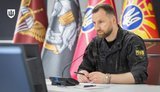 Strengthening air defence, preparations for ’Ramstein’ and development of joint defence industry: Khmara held talks with Pistorius The Ukrainian Minister of Defence, Yevhen Khmara, held a telephone conversation with the German Minister of Defence, Boris Pistorius. 763 3 Previously in trend: Assistance to Ukraine from Germany
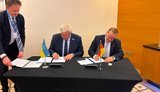 Ukraine and Germany have signed agreement on joint production of BARS drones. VIDEO Ukraine’s Minister for Foreign Affairs, Andrii Sybiha, together with Germany’s Federal Minister of Defence, Boris Pistorius, signed an agreement on the joint production of BARS drones. 1 975 9 Previously in trend: Cooperation of Ukraine and Germany Drone industry
German Defense Minister Pistorius says he keeps supplies at home "in case of war" with Russia German Defense Minister Boris Pistorius said that the country is preparing for a possible attack and that he and his wife already have supplies at home "in case of war." 2 256 56 Previously in trend: Germany is getting ready to Russian attack
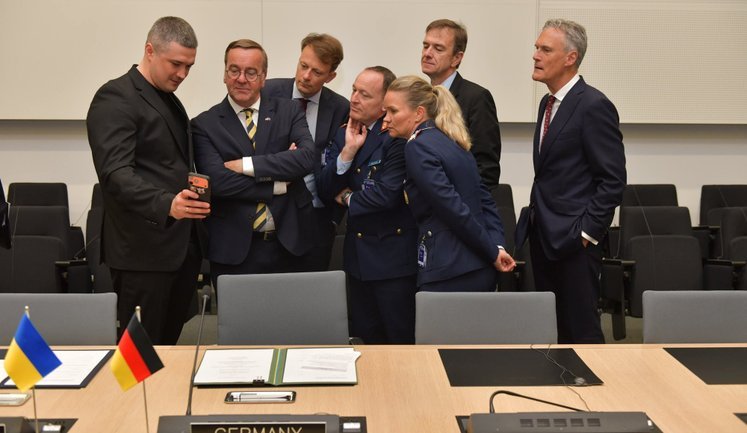
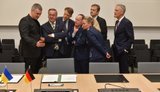 Fedorov showed Pistorius footage of Moscow ablaze following Ukrainian Armed Forces’ drone attack. PHOTO During a meeting of the Ukraine Defence Contact Group in the ‘Ramstein’ format, Defence Minister Mykhailo Fedorov showed his German counterpart, Boris Pistorius, photographs of Moscow following Ukrainian strikes on the morning of 18 June. 8 374 56 Previously in trend: Striking Russia Strike on oil refinery in Moscow
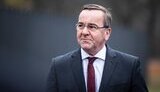 Germany will provide Ukraine with three-digit number of air-to-air missiles from its own stockpiles, - Pistorius German Defense Minister Boris Pistorius announced the transfer of a three-digit number of air-to-air missiles from the Bundeswehr’s own stockpiles to Kyiv to strengthen its air defense. 2 175 9 Previously in trend: Assistance to Ukraine from Germany
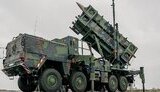 Germany to allocate $400 million for air defence systems and Patriot missiles for Ukraine, - Pistorius Germany is allocating an additional US$400 million for the purchase of American weapons and ammunition for Ukraine. 1 065 5 Previously in trend: PURL program
 Ukraine’s experience in field of drones and electronic warfare is of immense value to NATO, - Pistorius Ukraine’s experience in modern warfare—particularly in the use of drones, counter-drone operations, and electronic warfare—is of exceptional importance to Germany and its NATO allies 619 3 Previously in trend: Experience exchange in defense sector Ukraine’s Armed Forces share military experience with European countries
 Fedorov and Pistorius visited Ukraine’s frontline regions and command posts. PHOTOS Ukraine’s Defence Minister Mykhailo Fedorov has announced that he and German Defence Minister Boris Pistorius visited frontline regions of Ukraine and military headquarters at the front. 1 790 1 Previously in trend: Assistance to Ukraine from Germany Pistorius’s visit to Ukraine
 Many are talking about decisive phase of war, perhaps in Ukraine’s favor, - Pistorius German Defense Minister Boris Pistorius believes that Ukraine has the upper hand in the war with Russia. 2 535 17 Previously in trend: Pistorius’s visit to Ukraine
Germany will fund EU initiative to set up military training centres in Ukraine, - Pistorius Germany is allocating more than 10 million euros to an EU initiative to establish military training centers in Ukraine, which are intended to ensure the Ukrainian army’s high combat readiness in the future. 736 0 Previously in trend: Military training in Ukraine Military training of AFU in Germany
 "Putin always plays with marked cards," - Pistorius The Kremlin’s recent statements about its readiness for negotiations are part of a disinformation campaign and a continuation of the hybrid war, as evidenced by the violation of the announced three-day "ceasefire." 1 742 9 Previously in trend: Talks with Putin
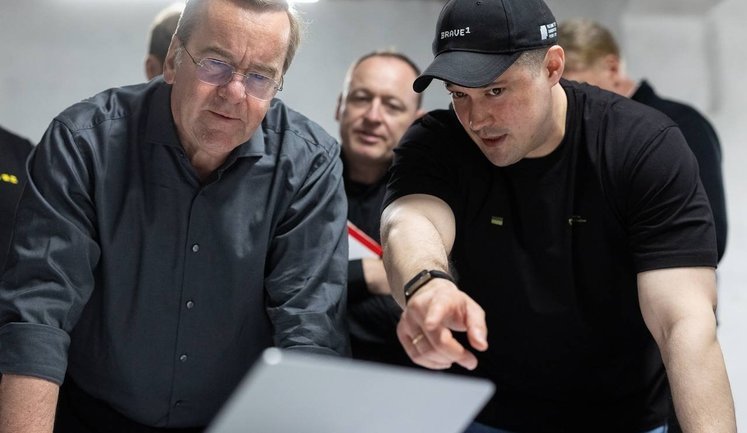
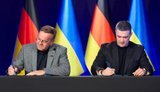 Ukraine and Germany have agreed to launch Brave Germany programme The defense ministers of Germany and Ukraine signed a letter of intent in Kyiv regarding the launch of Brave Germany. 2 407 5 Previously in trend: Assistance to Ukraine from Germany
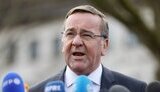 Europe must strengthen its defences due to reduction in US troop numbers, — Pistorius European countries will have to build up their own defense capabilities in response to the reduction in the U.S. military presence. 776 7 Previously in trend: US troops in Europe USA in NATO
Germany may join Ukraine’s Brave1 program – Pistorius The German federal government is deepening cooperation with Ukraine in the defense industry and is considering joining the Brave1 defense innovation program. 978 2 Previously in trend: Brave1 developments Cooperation of Ukraine and Germany Drone industry
Germany makes strengthening Ukraine’s air defense its top priority Germany has identified strengthening Ukraine’s air defense as one of the key areas of its military support. 1 081 4 Previously in trend: Ramstein meeting
"We are strengthening Ukraine’s ability to deliver strategic strikes over long distances," - Pistorius Germany is enhancing Ukraine's ability to launch long-range strategic strikes. 2 033 14 Previously in trend: Cooperation of Ukraine and Germany
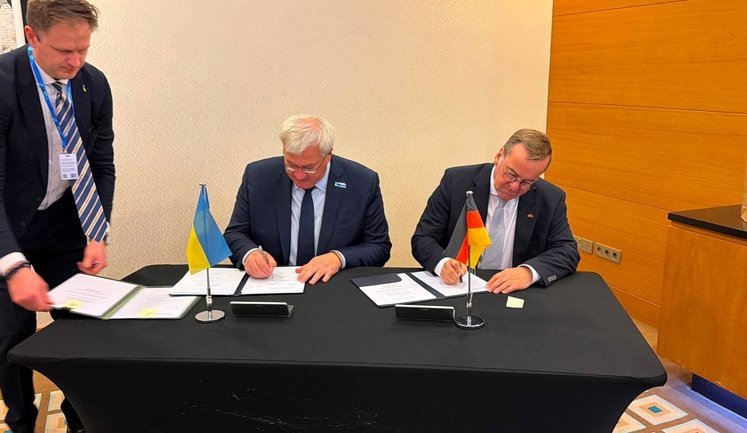
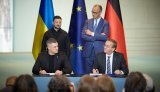 Ukraine and Germany begin exchanging battlefield data: Fedorov and Pistorius sign memorandum Head of Ukraine’s Defence Ministry Mykhailo Fedorov and German Defence Minister Boris Pistorius have signed Ukraine’s first agreement on exchanging defence data with partners. 1 590 14 Previously in trend: Cooperation of Ukraine and Germany
 Ukraine and Germany agree €4 billion defence package: hundreds of Patriot missiles, deep-strike and mid-strike drones Defence Minister Mykhailo Fedorov held talks with German Defence Minister Boris Pistorius, during which they agreed on a package of defence arrangements worth a total of €4 billion. 3 191 19 Previously in trend: Assistance to Ukraine from Germany Drone industry
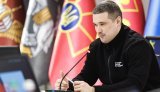 Lasers and deep-strike: Fedorov outlines joint projects with Germany ahead of "Ramstein" Ukraine is preparing for the next meeting in the "Ramstein" format, which will take place on April 15. 2 289 10 Previously in trend: Assistance to Ukraine from Germany Ramstein meeting
 Pistorius cannot confirm diversion of US weapons for Ukraine to the Middle East German Defense Minister Boris Pistorius is cautious in his comments regarding the diversion of U.S. weapons intended for Ukraine to the Middle East. 964 2 Previously in trend: US aid to Ukraine
Pistorius on defending Strait of Hormuz: This isn’t our war; we didn’t start it The German defense minister, commenting on Donald Trump’s demands that Europe help defend the Strait of Hormuz, stated that it was not Europe that started this war. 5 364 69 Previously in trend: Closure of the Strait of Hormuz by Iran
 Ukraine to receive new batch of interceptors for Patriot: Germany to transfer over 30 missiles Germany, together with its European partners, will transfer more than 30 PAC-3 interceptor missiles for Patriot systems to Ukraine. 2 564 13 Previously in trend: Patriot missiles for Ukraine
Middle East conflict must not distract from Russia’s war against Ukraine – Pistorius The escalation of the conflict in the Middle East must not distract attention from the necessary support for Ukraine, as Russia’s war of aggression remains the main challenge to Europe’s security. 632 5 Previously in trend: Russian aggression against Ukraine US strikes on Iran
 Pistorius criticised Trump for his approach to Putin and Russia’s war against Ukraine German Defence Minister Boris Pistorius has criticised US President Donald Trump for his approach to Russian dictator Vladimir Putin and Russia's war against Ukraine. 2 961 11 Previously in trend: Trump-Putin Relations
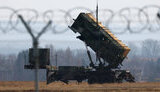 Pistorius: Partners responded to call to provide Ukraine with missiles for Patriot A number of countries have expressed readiness to join Germany’s initiative to provide Ukraine with additional PAC-3 missiles for Patriot air defense systems. 4 311 7 Previously in trend: Ukrainian Air defence Patriot missiles for Ukraine
 Defense tech, air defense, and win-win partnerships: Fedorov sums up bilateral meetings at Ramstein Defense Minister Mykhailo Fedorov, in addition to attending the Ramstein-format meeting, held a series of bilateral talks with counterparts. 1 339 7 Previously in trend: Support for Ukraine
 Germany to provide Ukraine with five Patriot missiles if partners raise 30, Pistorius says Ukraine will receive 35 PAC-3 interceptor missiles for Patriot air defense systems in the near future: 30 will be provided by countries taking part in the Ramstein format, and another five additionally by Germany. Deliveries could take place within a few days. 4 085 37 Previously in trend: Patriot missiles for Ukraine Ramstein meeting
Germany considers setting date for Ukraine’s accession to EU realistic, - Pistorius German Defense Minister Boris Pistorius said that an agreement on a specific date for Ukraine's accession to the European Union is realistic. 1 516 3 Previously in trend: Ukraine’s Membership in the EU
Germany to take part in innovative project to develop drone assault units, Fedorov says Ukraine’s defense minister held a phone call with German Defense Minister Boris Pistorius, during which the sides discussed strengthening air defense, developing unmanned systems, and supplying long-range artillery ammunition. 922 2 Previously in trend: Drone industry
 Pistorius: Germany ready to strengthen Greenland’s security Germany has said it is ready to contribute to strengthening security in Greenland and the Arctic region within NATO, stressing growing challenges for the allies. 1 534 18 Previously in trend: Trump wants to see Greenland as part of US
 There are no signs that Putin is interested in ending war, - Pistorius German Defense Minister Boris Pistorius does not see Russian President Putin's desire to end his war in Ukraine. 1 115 13 Previously in trend: Peace negotiations
Germany will transfer large number of Sidewinder missiles from its stockpiles to Ukraine, - Pistorius Germany will transfer Sidewinder missiles to Ukraine to strengthen its air defense. They can be used from helicopters or fighter jets. 5 272 11 Previously in trend: Assistance to Ukraine from Germany
Germany has transferred two Patriot systems and ninth IRIS-T system to Ukraine, - Pistorius Germany has delivered two Patriot air defense systems to Ukraine, as promised in August, as well as a ninth IRIS-T system. 2 448 8 Previously in trend: Patriot for Ukraine
Ukraine’s surrender will encourage Putin and his ilk, - Pistorius During budget debates in the Bundestag, German Defense Minister Boris Pistorius outlined three fundamental positions from which negotiations on achieving peace in Ukraine could be conducted. 1 180 22 Previously in trend: Peace negotiations Peace plan
 Germany will not build up drone stockpiles for war with Russia – Pistorius Germany will not build up stockpiles of drones as it prepares for a possible war with the Russian Federation, despite the fact that the war in Ukraine has demonstrated the importance of this type of weaponry. 92 0 Previously in trend: Drone industry
 NATO defense ministers to hold talks in Germany on European security and situation in Ukraine German Defense Minister Boris Pistorius will hold talks with representatives of four NATO countries in Berlin on Friday, November 14. 564 0 Previously in trend: Aid to Ukraine
Europe cannot build impenetrable "drone wall," – Pistorius Europe cannot build a reliable "drone wall" along its eastern borders, German Defence Minister Boris Pistorius said in an interview with The Times. 1 938 20 Previously in trend: Drone wall
Restoring conscription would send a deterrent signal to Russia – Pistorius German Defense Minister Boris Pistorius believes that conscription of young men will be a deterrent to Russia. 3 356 36 Previously in trend: Mandatory military conscription in European countries
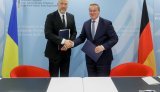 Germany allocates €400 million for drones for Ukraine, - Pistorius Germany is providing 400 million euros for the purchase of long-range drones for Ukraine under the "Ramstein" format. 1 285 8 Previously in trend: Assistance to Ukraine from Germany
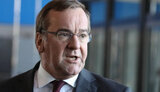 Germany will provide Ukraine with new military aid worth over 2 billion euros - Pistorius German Defense Minister Boris Pistorius announced further military support for Ukraine, in particular in the field of air defense, during the 31st meeting of the Contact Group on Defense Issues in the Ramstein format. 2 804 12 Previously in trend: Assistance to Ukraine from Germany
 Germany will reinforce NATO’s eastern flank with additional troops - Pistorius Germany will further strengthen the defense of NATO's eastern flank with military personnel and various systems. 633 0 Previously in trend: Defense of the eastern flank
If Russia and Putin decide to test Germany’s borders, we will react decisively - Pistorius German Defense Minister Boris Pistorius has said his country will "react decisively" if Russia tries to test Germany's borders. 1 266 17 Previously in trend: Germany is getting ready to Russian attack Drones over Germany
Pistorius on shooting down drones: Bundeswehr cannot be everywhere where drones appear German Defense Minister Boris Pistorius announced significant progress in protecting the country from drones. 2 419 15 Previously in trend: Drones over Germany
Putin does not seek peace, West must strengthen Ukraine, - Pistorius Russia continues its war against Ukraine, so the international community must strengthen its defense and support for Kyiv. 542 2 Previously in trend: Russian aggression against Ukraine
Russian fighter jet flew over German frigate, - Pistorius reported on new provocation by Russia There has been another incident involving a Russian aircraft in the Baltic Sea. This time, a Russian fighter jet flew over a German Navy frigate. 7 202 91 Previously in trend: Russian aircraft airspace violations
Page 1 of 5
more news