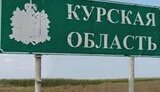
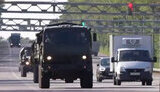
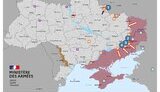
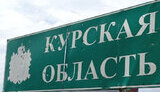
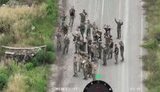
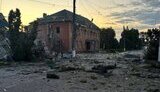
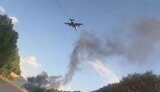
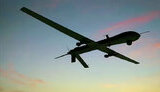
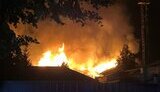
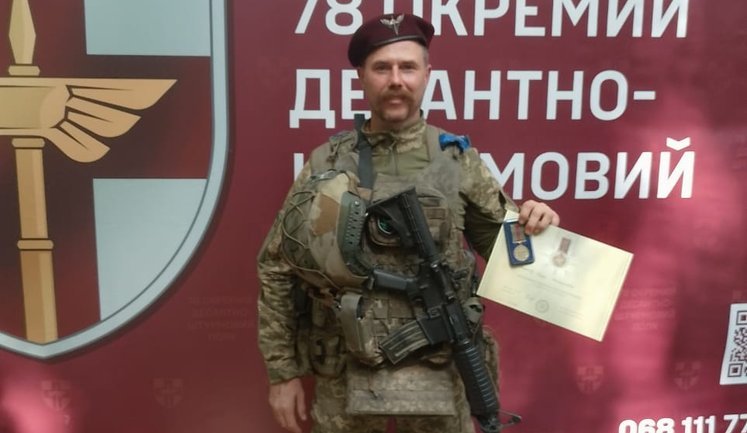
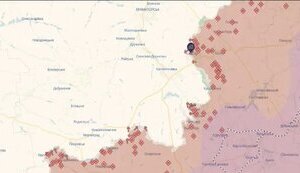
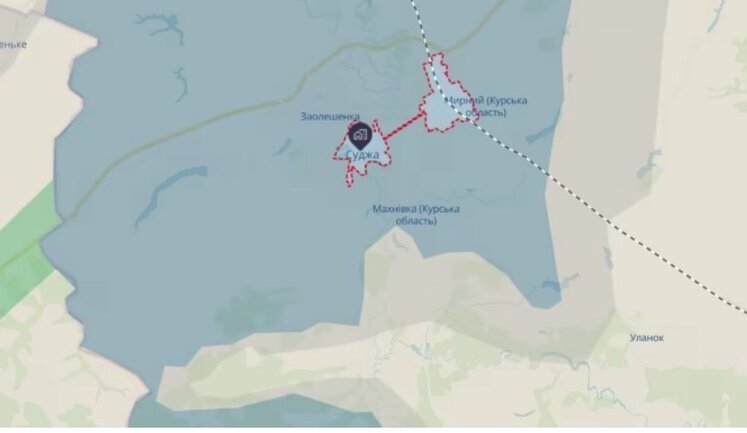
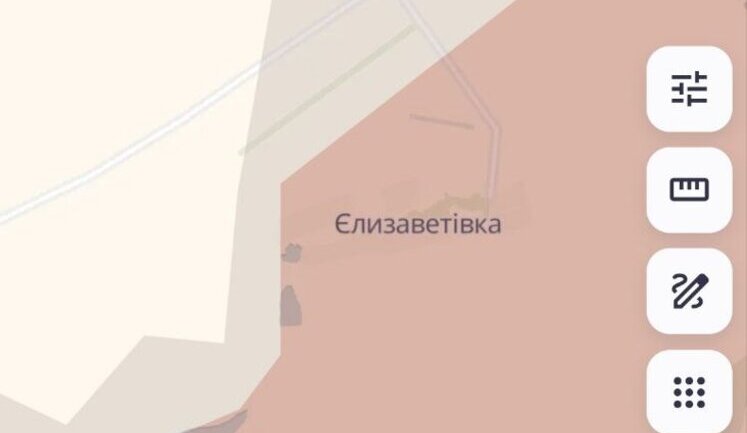
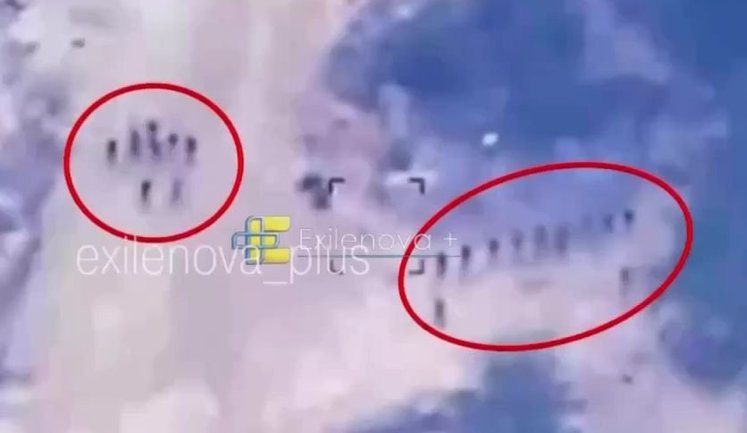
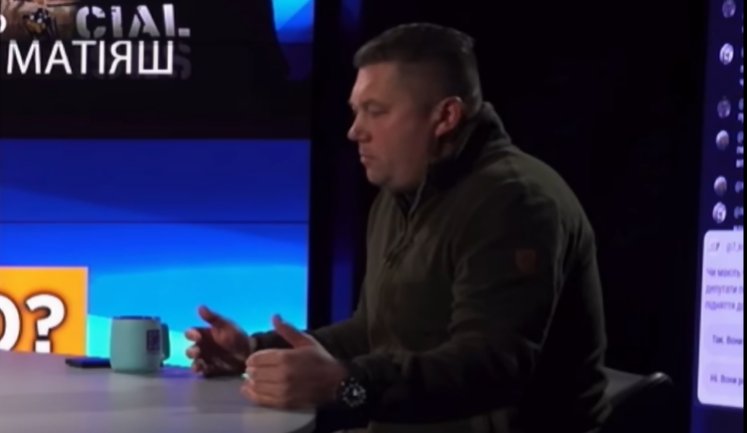
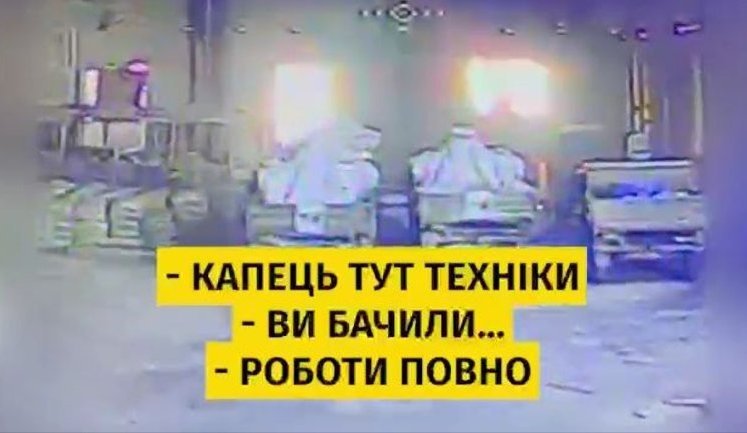
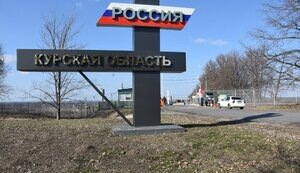
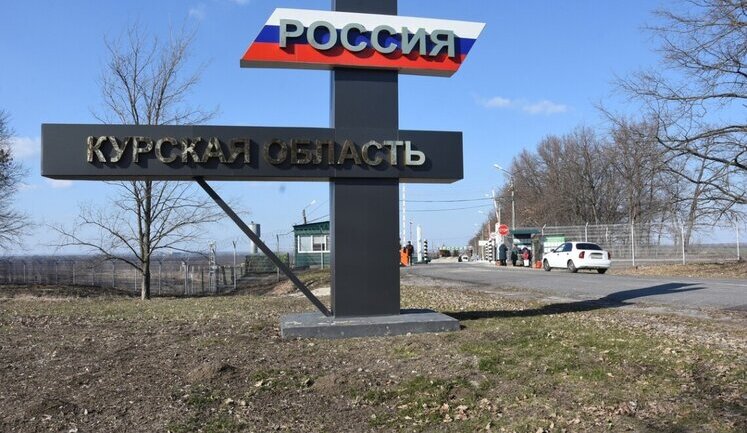
The region of Kursk has been a focal point in the strategic operations conducted by the Ukrainian Armed Forces against Russian troops. Recent reports highlight the scale of operations within the Kursk sector, with Ukrainian forces employing advanced drone technology to target enemy infrastructure and troop concentrations. This has resulted in significant damage to Russian military assets. Moreover, confessions from captured Russian soldiers, such as Serhii Skobeliev’s admission of war crimes, underscore the conflict's brutality. Ukrainian units have maintained positions on Russian soil, demonstrating resilience and tactical acumen in the Kursk region. This ongoing conflict continues to impact the geopolitical dynamics, with high-level military strategies unfolding in real-time.
What is the current situation in Kursk?
The Kursk region is witnessing ongoing military operations characterized by Ukrainian Armed Forces conducting strategic strikes on Russian military assets. Ukrainian troops are maintaining control over key positions, effectively disrupting Russian strategies within their territory.
Why is Kursk significant in the Ukraine-Russia conflict?
Kursk holds strategic importance due to its location and the ongoing military engagements. The region has seen significant actions including drone strikes that have targeted Russian military infrastructure, showcasing the extensive use of technology in modern warfare.
How are Ukrainian forces advancing in Kursk?
Ukrainian forces have been making calculated advances by employing aerial reconnaissance and precision strikes to weaken Russian positions. Their proactive tactics have resulted in holding key areas and inflicting substantial losses on Russian troops and equipment.
What are the implications of the Kursk military operations?
The operations in Kursk signify a prolonged conflict with significant military and political implications. Ukrainian success in the region could shift the balance of power, challenging Russian control and impacting international perceptions of the conflict.
Have there been any significant events reported from Kursk recently?
Recent events in Kursk include high-profile drone operations by Ukrainian forces, significant troop movements, and confessions by captured Russian soldiers. These developments highlight ongoing hostilities and the strategic focus on the region.
What role do drones play in the Kursk operations?
Drones have played a crucial role in the Kursk operations, primarily used by Ukrainian forces for reconnaissance missions and precision strikes against key Russian targets. This technological advantage has been pivotal in disrupting enemy forces.