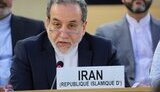
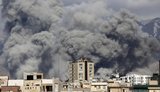
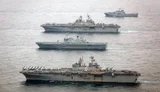
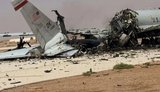
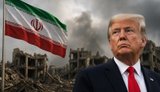
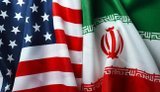
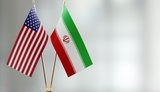
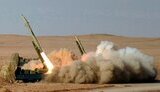
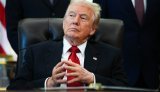
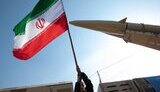
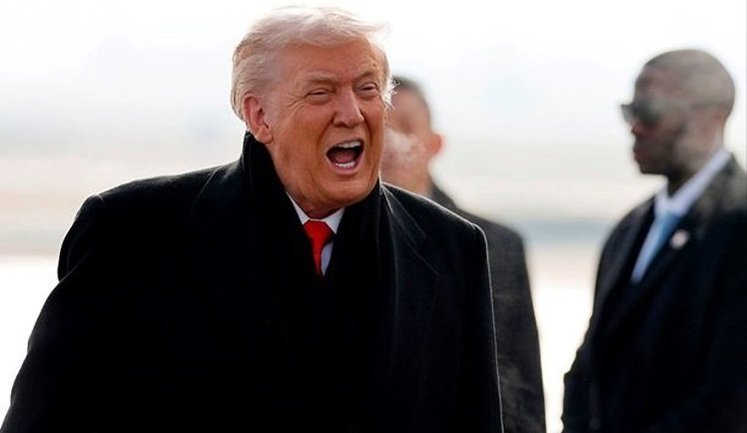
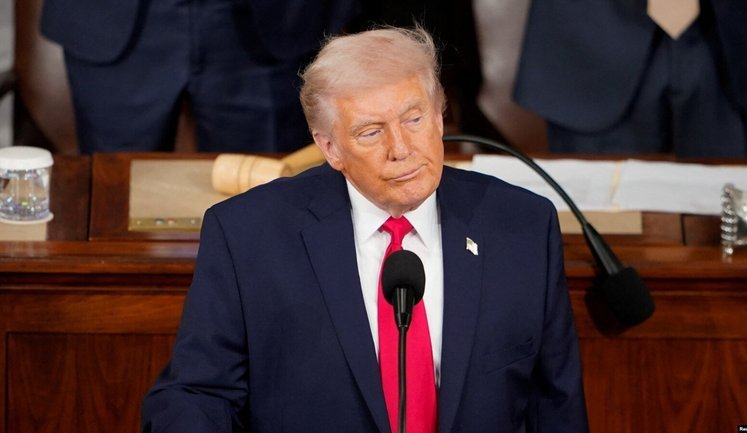
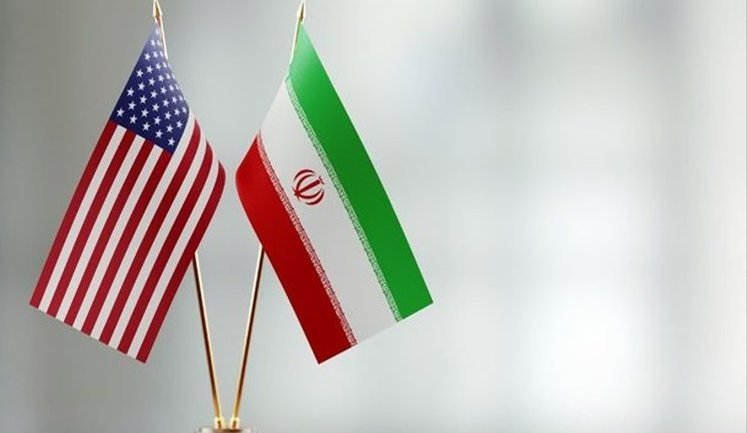
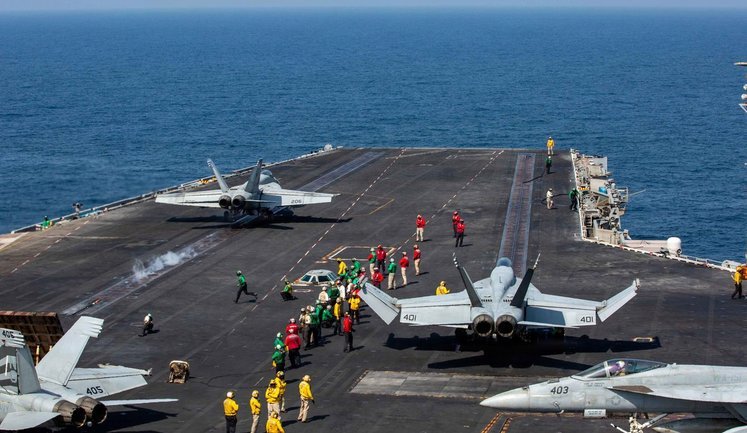
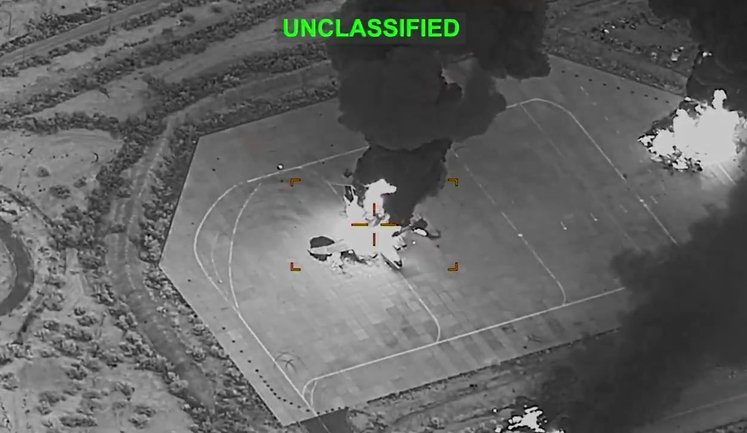
The United States is preparing for potential renewed conflict with Iran as the current ceasefire faces uncertainty. President Donald Trump has expressed skepticism about extending the ceasefire unless a substantial agreement is reached soon. The tensions have affected global oil prices, which fell amid anticipation of resumed negotiations between the US and Iran. Furthermore, Trump has threatened to secure Iran's uranium by any means necessary, raising the stakes in these geopolitical tensions. With NATO allies distancing themselves from the conflict, and the economic repercussions spreading to the EU, the situation remains volatile. Meanwhile, diplomatic talks are ongoing, with Trump hopeful for progress, yet ready to resume military action if necessary. As the world watches, the potential for resumption of US strikes on Iran looms large, promising to reshape political dynamics and energy markets alike.
What are the latest developments in US-Iran relations?
Recent developments include US President Trump's skepticism about the extension of the ceasefire with Iran, his threats to secure Iranian uranium, and the ongoing negotiations that might mitigate the escalation. The global response includes fluctuating oil prices and strained alliances, notably with NATO members. Trump's firm stance signals potential for renewed hostilities, which are keenly monitored globally due to possible widespread repercussions.
How has the US-Iran ceasefire affected global oil prices?
The ceasefire between the US and Iran initially impacted global oil prices by providing some stability. However, uncertainty regarding its continuation has led to volatile prices. Speculation over renewed negotiations and the potential continuation or breakdown of talks influences market anxieties, reflecting the geopolitical tensions in fiscal terms.
What is Iran's response to the US threats and negotiation stance?
Iran has exhibited a cautious yet firm stance regarding US threats and negotiation proposals. While engaged in talks to potentially extend the ceasefire, Iran has insistently sought guarantees against renewed conflict. Recent US actions and statements have been met with Iranian warnings and calls for substantive rather than coercive diplomatic resolutions to the ongoing tensions.
Why are NATO allies concerned about the US-Iran situation?
NATO allies express concern over the US-Iran situation due to its potential to reorganize global security alignments and economic strategies. The US's aggressive approach under President Trump challenges established alliances, raising fears of increased instability in the Middle East and complicating collective security operations. This apprehension also threatens unity within NATO, especially if allies must choose sides in the conflict.
What impact does the US-Iran conflict have on European energy policies?
The US-Iran conflict significantly impacts European energy policies, primarily due to its effects on oil supply chains and price stability. The uncertainty has prompted the EU to enhance strategies to mitigate energy crises, entailing increased expenditures. As a result, European policy adjustments and economic strategies are aligned to buffer potential shocks from Middle Eastern geopolitical unrest.
How has President Trump justified potential re-escalation with Iran?
President Trump justifies potential re-escalation with Iran as a necessary measure to ensure the security of the United States and its allies. He has emphasized the importance of preventing Iran from developing nuclear capabilities and securing their uranium reserves. Additionally, Trump argues that a strong stance is crucial in attaining favorable diplomatic resolutions which align with American strategic interests.
What are the strategic implications of the US blockade of the Strait of Hormuz?
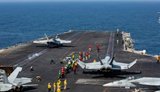
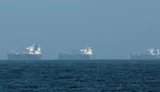
The US blockade of the Strait of Hormuz carries significant strategic ramifications, as it is a critical chokepoint for global oil transportation. This move showcases US military strength and diplomatic leverage in the region. However, it also escalates tensions, disrupts international maritime commerce, and pressures both European and Asian countries to reconsider their energy sourcing and security policies amid potential conflicts.