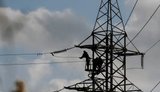
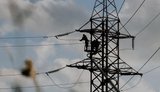
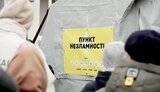
Power outages impact millions across Ukraine due to Russian shelling and harsh weather conditions. Regions like Kyiv, Odesa, and Sumy are notably affected, leading to scheduled and emergency power cuts. Ukrenergo and DTEK supervise the restoration efforts amidst severe challenges. Industrial sectors and households face periodic outages, crucially impacting daily life and business operations. Recent EU support has supplied electricity for 9 million Ukrainians, showcasing international efforts to stabilize the energy crisis. Despite adversity, Ukrainian resilience shines through as citizens adapt to these power disruptions with community and government support.
What regions in Ukraine are facing power outages?
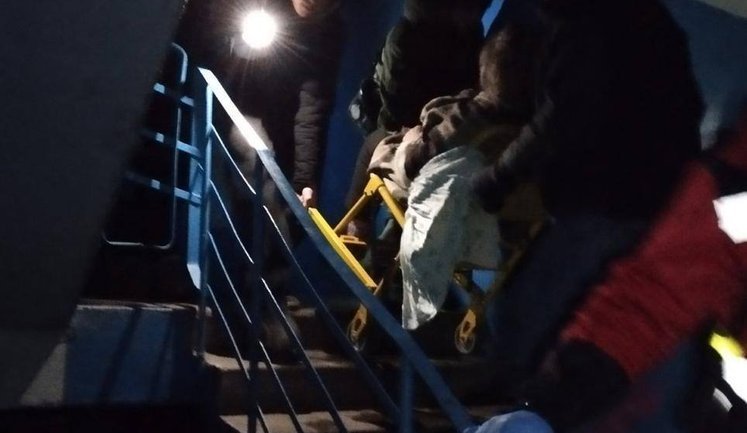
Regions like Kyiv, Odesa, Sumy, Dnipropetrovsk, and others are experiencing power outages due to Russian attacks on energy infrastructures. Hostilities have led to both scheduled and emergency power cuts across affected areas. Restoration efforts are ongoing, yet challenging, due to the scale of damage and adverse weather conditions impacting the energy grid.
How have power outages affected industry and daily life in Ukraine?
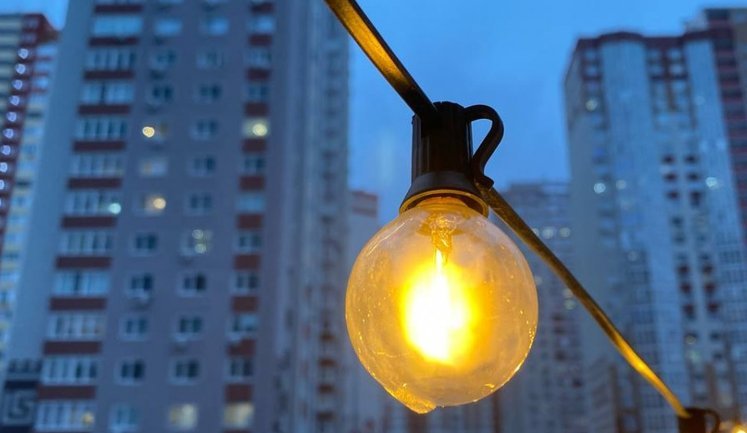
Power outages significantly impact industrial operations and daily life in Ukraine. Industrial sectors face limitations in energy access, leading to adjusted schedules and potential productivity declines. Meanwhile, households experience disruptions in electricity supply, affecting heating, communication, and essential services, exacerbating daily challenges for many Ukrainians.
What measures are being taken to restore power supply in Ukraine?
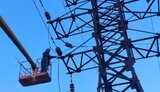
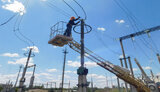
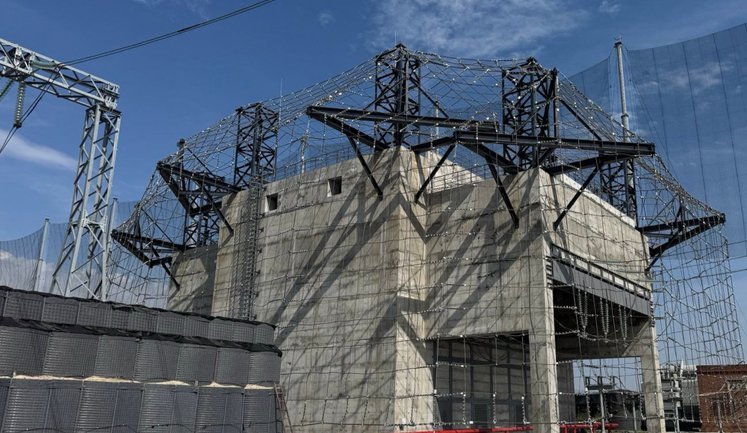
Efforts to restore power in Ukraine include coordinated actions by energy operators like Ukrenergo and DTEK to repair damaged infrastructures. The EU has also contributed by supplying equipment to aid restoration processes. Meanwhile, emergency repair work continues as authorities strive to ensure a stable energy supply amidst ongoing challenges.
How is the international community helping Ukraine with the power crisis?
The international community, particularly the European Union, is supporting Ukraine by providing vital equipment and resources necessary to stabilize the power grid. These efforts aim to mitigate the impact of the power crisis, helping to maintain essential services and reduce further disruptions in affected regions across Ukraine.
Why are power outages in Ukraine increasing recently?
Power outages in Ukraine have increased due to intensified Russian shelling targeting energy infrastructures combined with severe weather conditions. These factors lead to critical damage and subsequent power shortages, affecting several regions and necessitating ongoing efforts to restore and stabilize the energy supply under challenging circumstances.