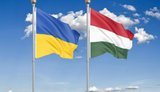
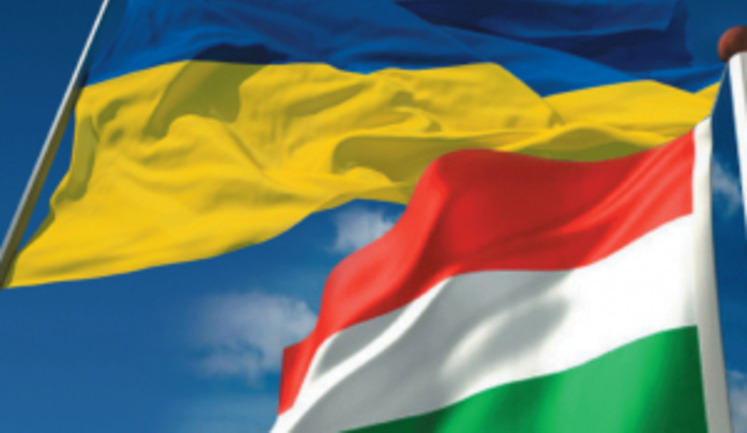
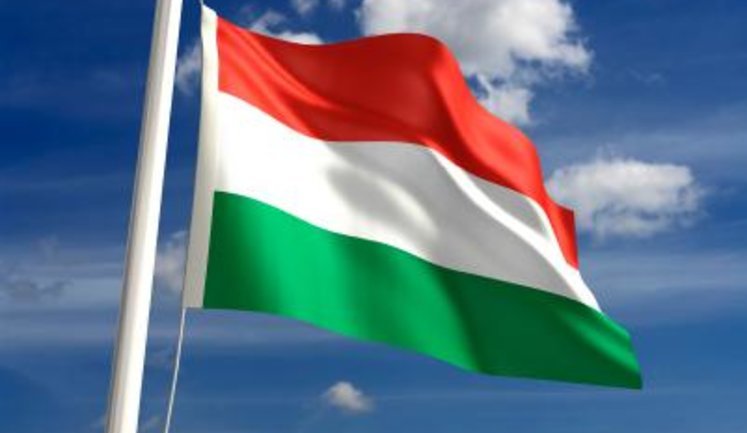
In 2026, Hungary remains steadfast in its decision to withhold direct military assistance to Ukraine, as reiterated by Prime Minister Péter Magyar. Despite tensions over military aid, Hungary emphasizes its diplomatic engagements, evident through multiple meetings and ongoing dialogues on Hungarian minority rights in Ukraine. Additionally, Hungary's recent parliamentary changes, with Magyar's ascension to prime minister, signal a shift in internal politics, particularly with constitutional amendments on the horizon. Meanwhile, Hungary condemns Russian strikes on Kyiv, showing its position on civilian safety. These developments, alongside its stance on EU negotiations, underscore Hungary's broader geopolitical strategy.
What is Hungary's current military support policy toward Ukraine?
As of 2026, Hungary has maintained its policy of not providing direct military assistance to Ukraine. Prime Minister Péter Magyar confirmed Hungary's stance of not sending military equipment or weapons, focusing instead on diplomatic and economic engagements.
Has the Hungarian government condemned recent Russian military actions?
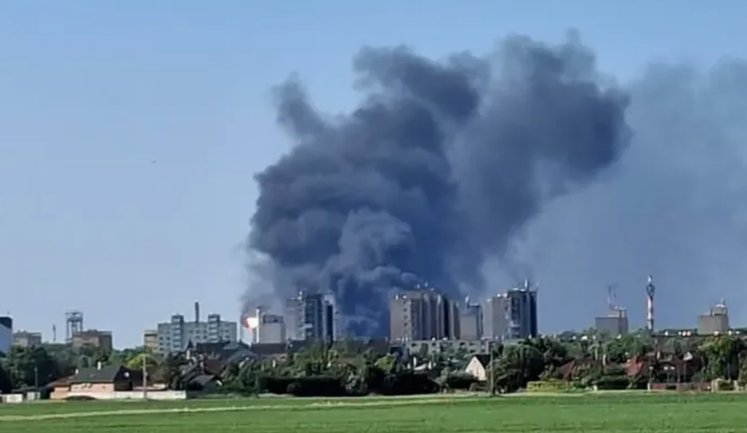
The Hungarian government, through its foreign ministry, condemned the Russian strikes on Kyiv, calling them unacceptable, emphasizing its stance against targeting civilian areas. This condemnation indicates Hungary's commitment to international humanitarian standards despite its nuanced diplomatic ties with Russia.
Are there any recent political changes in Hungary?
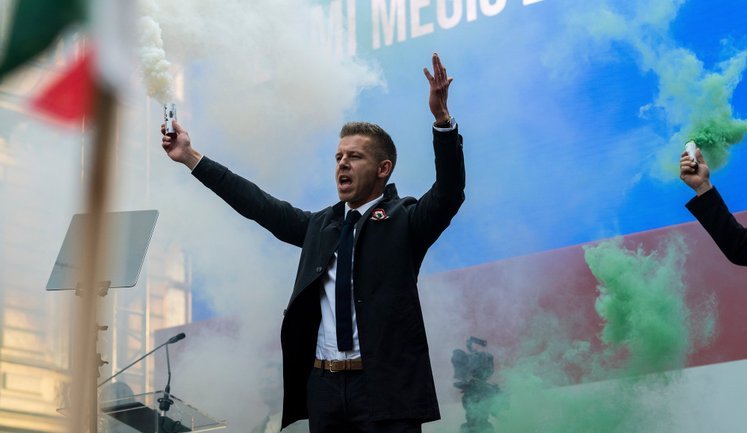
Yes, there have been significant political changes in Hungary with Péter Magyar becoming the new Prime Minister after the elections. His administration plans constitutional amendments and limits on prime ministerial terms, signaling potential shifts in the governance structure.
What are Hungary's conditions for improving relations with Ukraine?
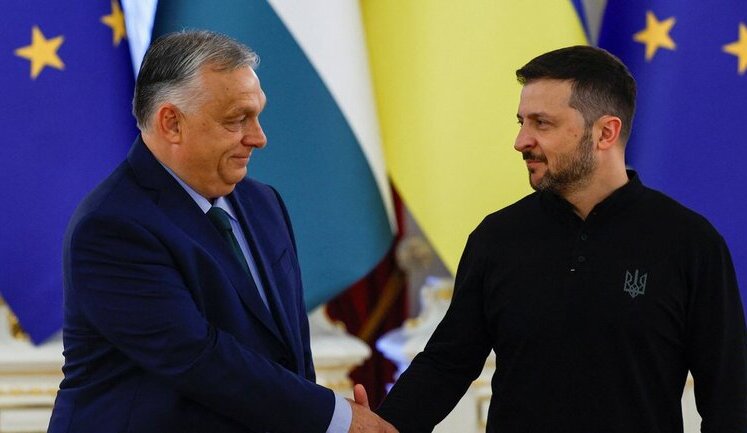
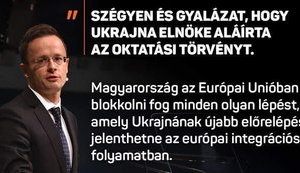
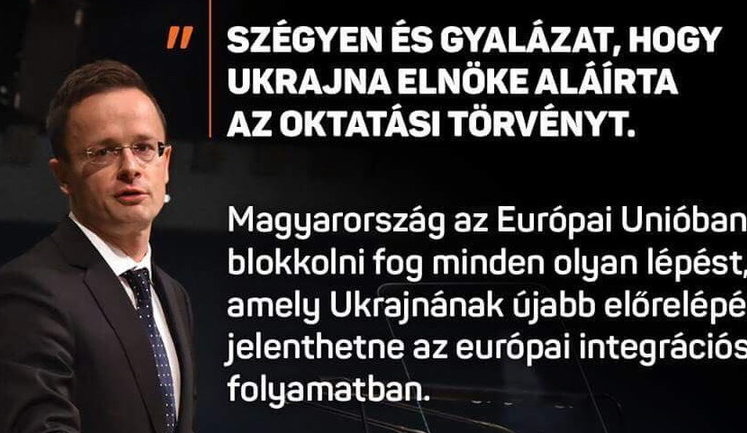
Hungary has stipulated the protection of the Hungarian minority's rights in Ukraine as a condition for the improvement of bilateral relations. Dialogue continues between Hungary and Ukraine, focusing on linguistic, educational, and cultural rights consistent with EU standards.
How is Hungary involved in EU negotiations concerning Ukraine?
Hungary is actively engaged in EU negotiations, particularly regarding financial aid packages for Ukraine. Though once using its veto power assertively, Hungary has pledged to cease using it as a tool for leverage, aiming to rebuild trust with EU and NATO partners while emphasizing pragmatic cooperation with Russia where possible.