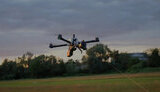
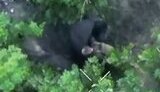
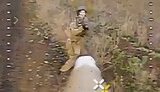
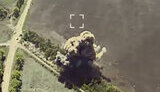
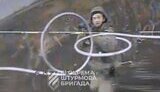
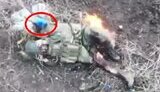
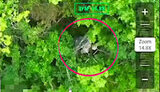
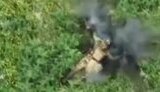
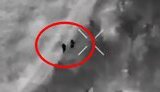
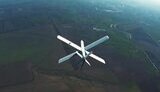
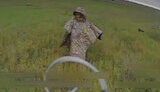
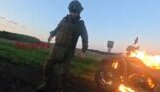
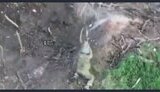
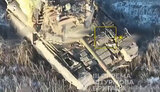
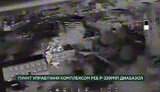
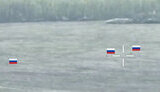
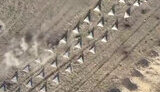
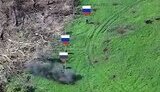
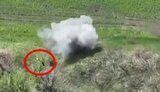
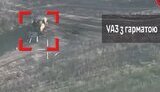
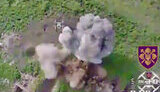
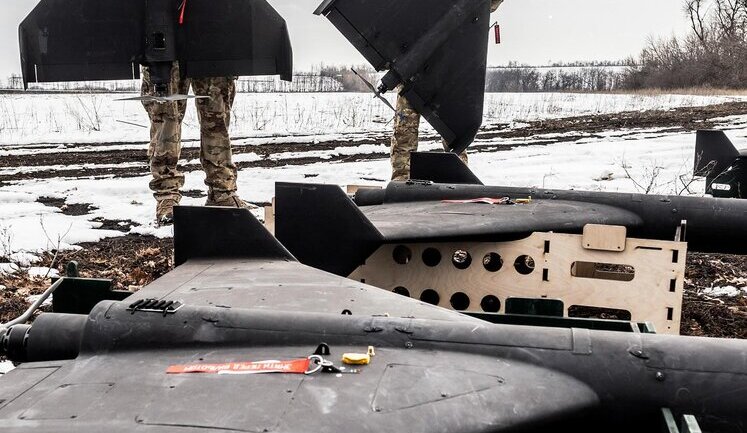
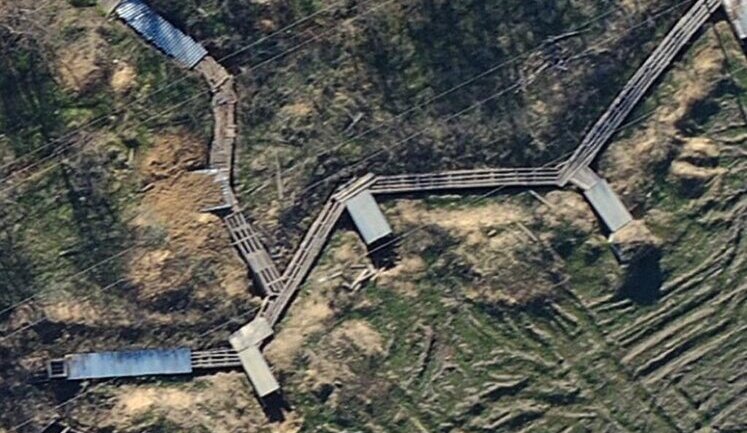
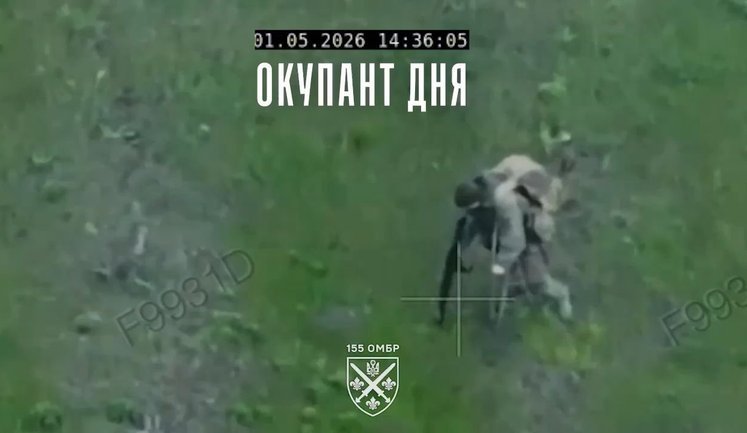
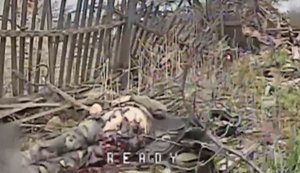
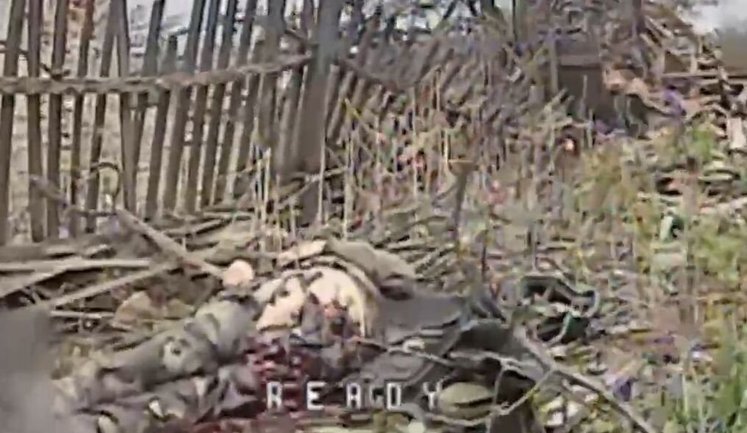
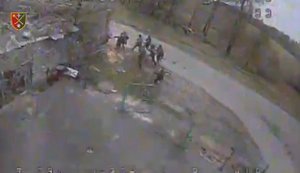
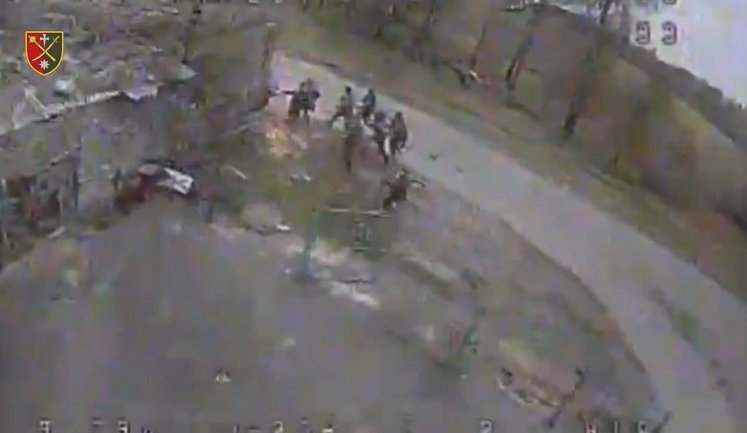
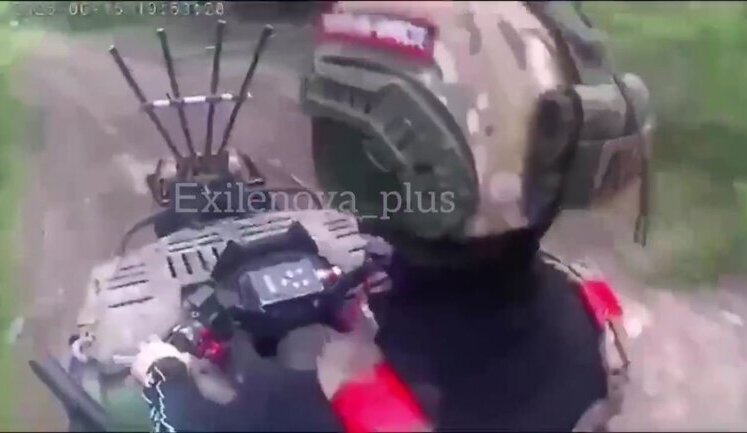
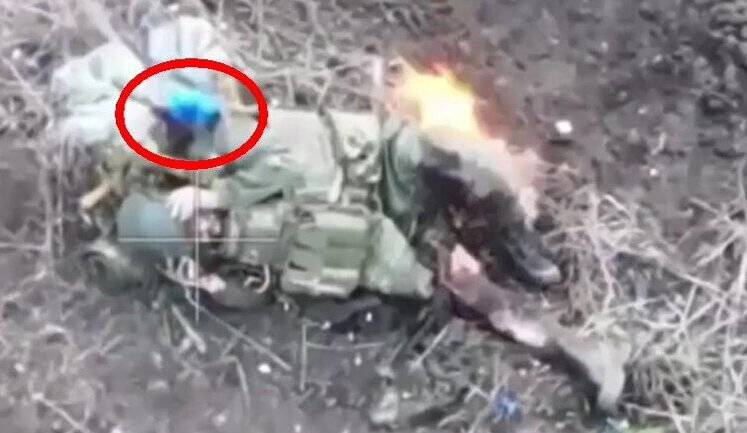
Ukrainian FPV drones continue to play a critical role in the conflict against Russian occupiers, with successful operations reported from various regions. The 414th Brigade "Madyar's Birds" eliminated multiple enemy combatants in the Pokrovsk direction. Special Operations Forces effectively targeted the Russian unmanned technology centre "Rubicon" in Mangush. Simultaneously, drone units from different brigades, such as the 142nd Separate Mechanised Brigade and the 225th Special Forces Battalion, deployed their drones to neutralize threats and secure strategic advantage. These operations highlight the ongoing advancements and tactical utilisation of drones in the Ukrainian military strategy, effectively disrupting enemy positions and logistics.
What role do drones play in the conflict in Ukraine?
Drones are pivotal in modern warfare, offering reconnaissance, surveillance, and offensive capabilities. In Ukraine, drones like those operated by the 414th Brigade "Madyar's Birds" and others perform precision strikes against enemy personnel and infrastructure, providing a significant tactical advantage.
How have drones changed military tactics in Ukraine?
Drones have revolutionized military tactics by enabling precise, real-time intelligence and targeted strikes. This technological advancement allows Ukrainian forces to engage with enemy positions more effectively, minimizing collateral damage while maximizing impact on strategic targets.
What types of drones are used in Ukrainian military operations?
The Ukrainian military employs a variety of drones, including FPV drones for offensive operations and surveillance drones for gathering intelligence. These drones are crucial in monitoring enemy movements and delivering targeted strikes, thereby enhancing the effectiveness and reach of Ukrainian military operations.
What impact have drones had on Russian military forces in Ukraine?
Drones have significantly disrupted Russian military operations in Ukraine by targeting logistics centers, command posts, and infantry units. The precision and efficiency of drone strikes have impeded Russian advancements and contributed to heavy casualties among enemy forces, as evidenced by the numerous successful operations highlighted in recent reports.
Which Ukrainian military brigades are known for drone operations?
Several Ukrainian brigades are recognized for their effective use of drones, including the 414th Brigade "Madyar's Birds," the 142nd Separate Mechanised Brigade, and the 225th Special Forces Battalion. These units leverage drone technology for both offensive and intelligence-gathering purposes, playing a critical role in current military strategies.
How do drones assist in reconnaissance and surveillance efforts in Ukraine?
Drones equipped with advanced cameras and sensors provide real-time intelligence on enemy positions and movements. This capability allows Ukrainian forces to monitor the battlefield more effectively, assess enemy strategies, and plan their tactical responses accordingly, making drones an indispensable tool for reconnaissance and surveillance.
What are some key advantages of using drones in combat situations?
Drones offer several advantages in combat scenarios, including the ability to conduct operations remotely, thus reducing risk to personnel. They provide real-time surveillance, enabling informed decision-making, and can carry out precision strikes, reducing collateral damage while maintaining operational effectiveness.
In what regions have Ukrainian drones been most impactful?
Ukrainian drones have been particularly impactful in regions such as Pokrovsk, Kharkiv, and Mangush. These areas have seen significant engagements, where drones have successfully targeted and disrupted Russian military operations, contributing to the overall strategic objectives of the Ukrainian defense efforts.
What challenges do drone operators face in military operations?
Drone operators in military settings face challenges such as electronic warfare, adverse weather conditions, and the need for rapid adaptation to evolving battlefield dynamics. Despite these challenges, they continue to play a crucial role in executing strategic operations and gathering essential intelligence.