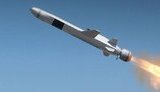
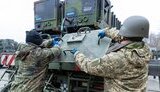
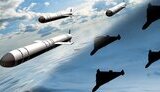
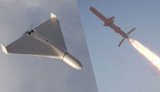
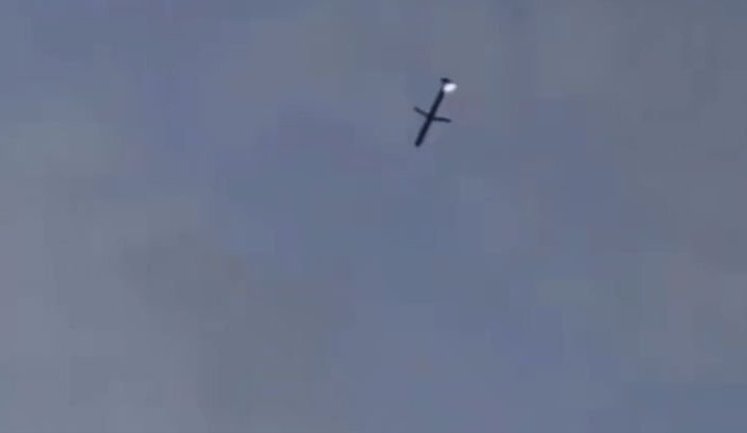
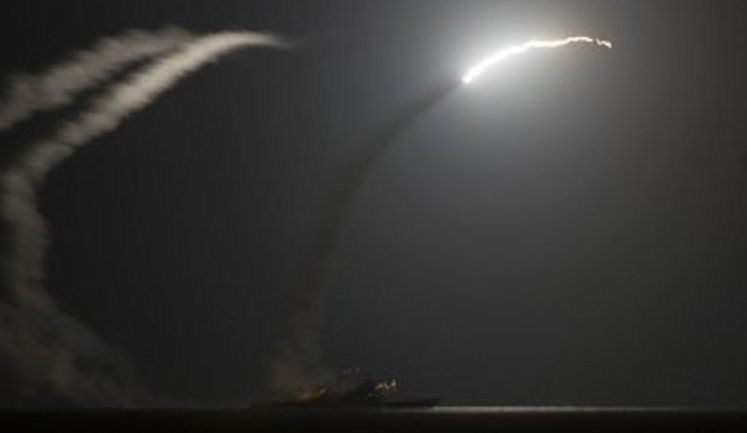
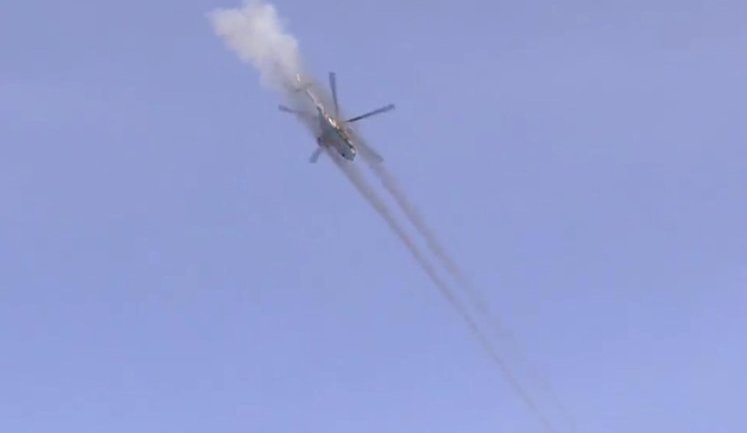
Russia's persistent rocket assaults on Ukraine have increasingly tested the nation's air defense systems. Recently, Ukraine's Air Force reported intercepting up to 90% of drones and nearly 80% of cruise missiles. Upgrades in Russian missile technology, such as the Kh-101, heighten these challenges, demonstrating the necessity for continued innovation in defensive measures. Meanwhile, attacks like those on the Sumy region highlight the human impact of these strikes, with civilian casualties mounting. Ukraine's resilience is underscored by its ongoing need for resources, like Patriot system missiles, to bolster its capabilities.
What percentage of Russian drones are intercepted by Ukraine?
Ukraine intercepts about 90% of enemy drones, showcasing the effectiveness of its air defense systems, which continue to improve despite intensified Russian attacks.
How has Russia enhanced its missile technology since its invasion of Ukraine?
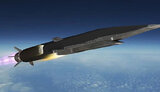
Since the invasion, Russia has upgraded its Kh-101 missiles at least four times, reflecting an ongoing commitment to enhancing its missile precision and effectiveness amid the conflict.
What recent rocket attack events occurred in the Sumy region of Ukraine?
The Sumy region faced a missile strike by Russian forces, resulting in injury to an elderly woman and causing further distress among the local population amid volatile military activity.
How are Ukrainian forces addressing massive enemy air assaults?
Ukraine's air defenses have successfully neutralized a large number of incoming threats, with strategies involving intercepts of up to 6,000 enemy rockets and drones in April 2026 alone.
What role does the Patriot missile system play in Ukraine's defense strategy?
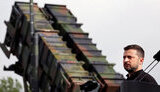
The Patriot system is critical in Ukraine's defense framework. While launchers are crucial, the current priority is acquiring more missiles, which are essential for sustaining effective air defense operations.
How often have large-scale attacks been launched on Ukraine using rockets and UAVs?
Massive attacks have been frequent, with incidents like the combined use of three Iskander missiles and numerous UAVs, requiring consistent defensive engagement from Ukrainian forces.
What is the impact of missile and drone attacks on Ukrainian civilians?
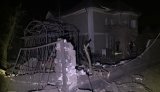
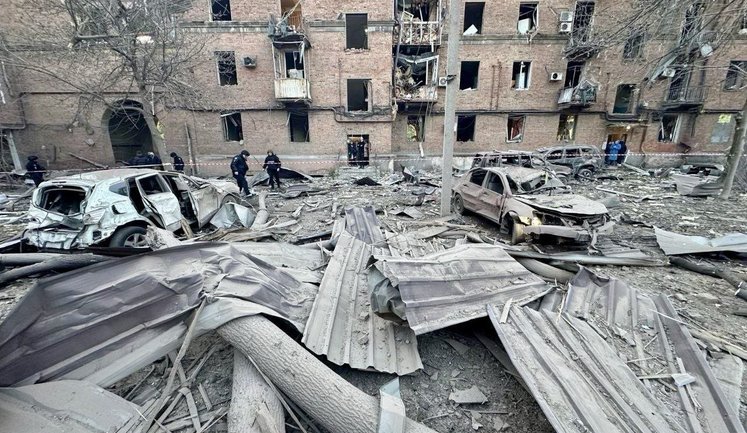
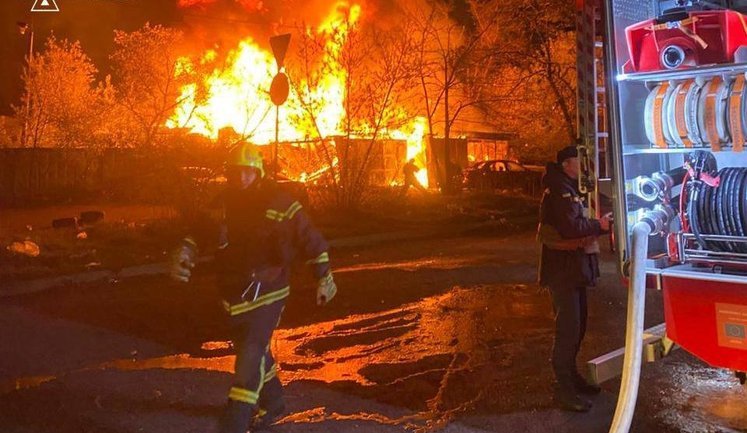
Civilian casualties and infrastructural damage are significant, with recent attacks in Kyiv resulting in fatalities and injuries, demonstrating the ongoing threat to public safety and urban infrastructure.