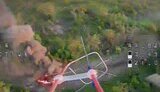
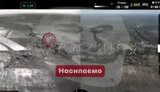
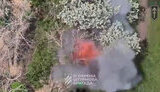
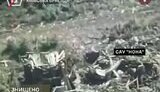
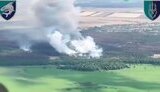
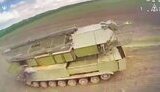
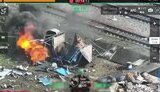
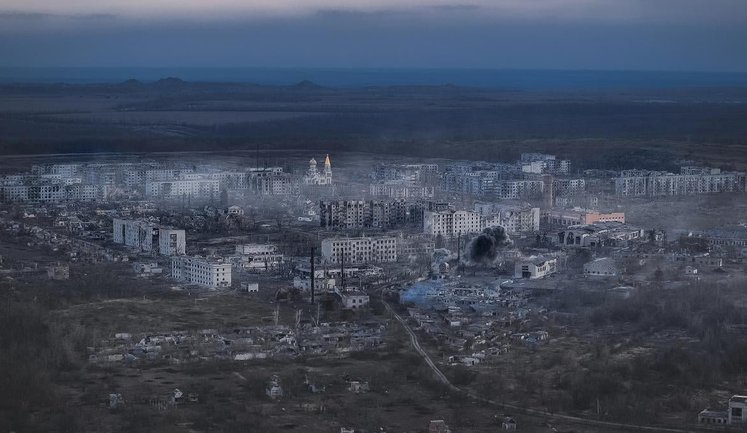
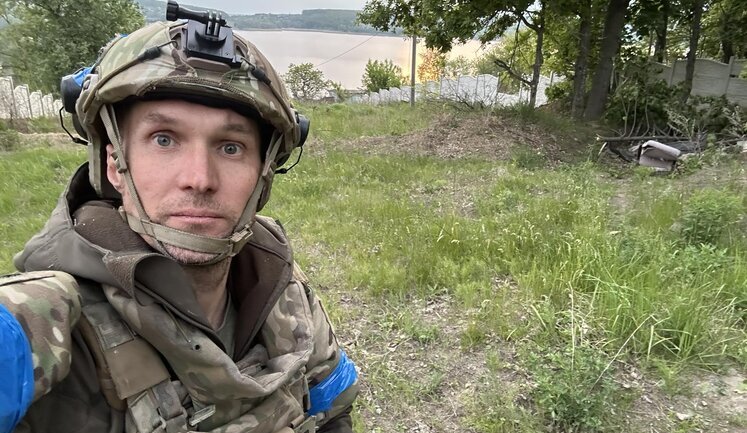
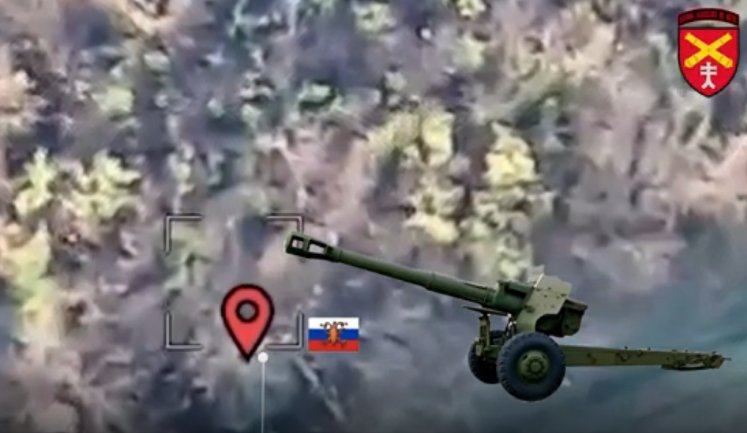
The situation at the front remains tense as Russian forces intensify their assaults against Ukraine's Defense Forces. In recent days, 52 attacks have been recorded, underscoring the ongoing conflict and military operations. The Pokrovsk and Kostiantynivka sectors are witness to the most intense hostilities. With 135 combat engagements recorded, these areas are pivotal battlegrounds. Reports from Ukraine's General Staff highlight the aggressive tactics employed by Russian troops, despite heavy losses inflicted by Ukrainian defenses. President Zelenskyy acknowledges the strategic cooperation between Russia and Belarus, urging vigilance as artillery positions are reportedly being fortified in Belarus. As of now, Ukraine's defense strategy remains steadfast, focusing on repelling attacks while minimizing casualties and preserving territorial integrity.
How many attacks did Russian forces launch as reported by the General Staff?
According to the latest reports from the General Staff, Russian forces have carried out 52 attacks on Ukrainian defense positions. These engagements highlight the ongoing conflict and the persistent threat posed by Russian military actions.
Which sectors are the hotspots for military clashes on the frontline?
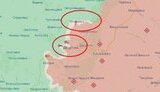
The key hotspots for military clashes on the Ukrainian frontline include the Pokrovsk and Kostiantynivka directions. These areas have seen the most intense fighting, with numerous combat engagements recorded, indicating a high level of enemy activity.
What was President Zelenskyy's response to the situation at the front?
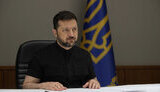
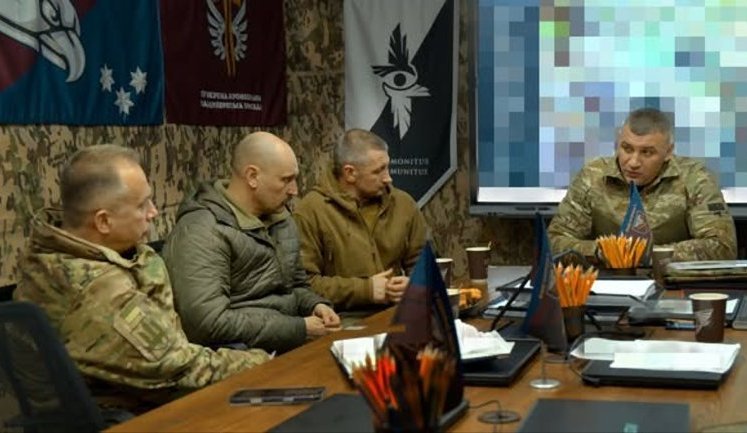
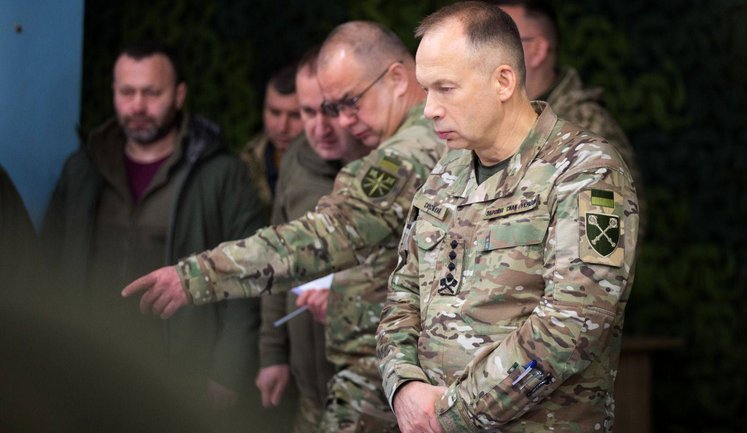
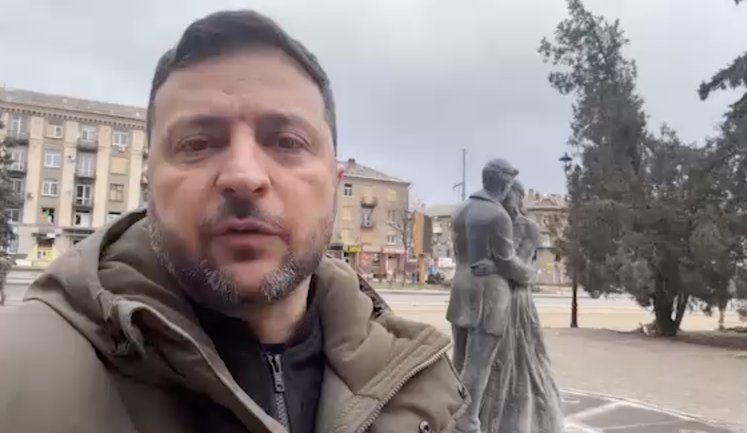
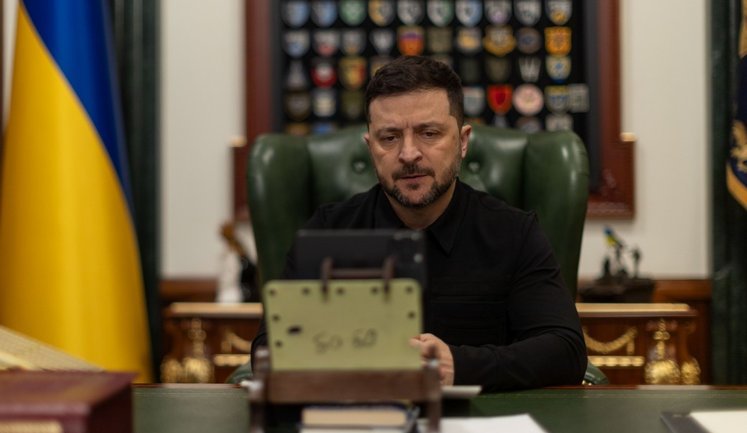
President Zelenskyy reviewed the frontline situation with military leaders and noted the growing cooperation between Russia and Belarus. He emphasized the need for vigilance amid reports of artillery positioning in Belarus, indicating potential escalation.
What are the strategies employed by Ukraine's Defense Forces in response to attacks?
Ukraine's Defense Forces have adopted a strategy focused on strong defensive measures, actively repelling enemy attacks, and conducting systematic counter-attacks. The aim is to inflict significant losses on the aggressor while maintaining territorial integrity and minimizing civilian impact.
Have there been any changes in the intensity of combat on the frontline?
Yes, recent reports suggest an increase in combat intensity following a period of relative slowdown during winter. Improved weather conditions have contributed to a rise in offensive operations, making the Pokrovsk and Kostiantynivka sectors particularly active.
What role does the General Staff play in reporting frontline activities?
The General Staff of Ukraine plays a crucial role in documenting and reporting frontline activities, providing detailed accounts of combat engagements, enemy tactics, and strategic insights. Their reports aid in informing military strategy and public awareness regarding the ongoing conflict.
What are the implications of artillery positions being set up in Belarus?
The establishment of artillery positions in Belarus could signify increased military strategizing between Russia and Belarus. This development raises concerns about potential escalations in the region, prompting Ukraine to enhance its border security measures and strategic responses.
How have the Defense Forces impacted the enemy's combat potential?
Ukrainian Defense Forces have successfully imposed considerable damage on the enemy's combat potential. By exhausting enemy personnel, disrupting advancements, and administering systematic counter-attacks, they have managed to thwart numerous offensive attempts.