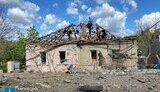
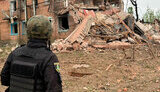
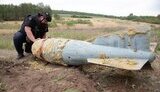
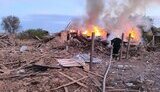
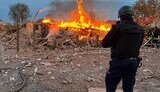
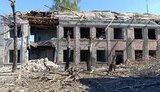
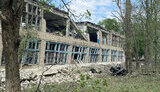
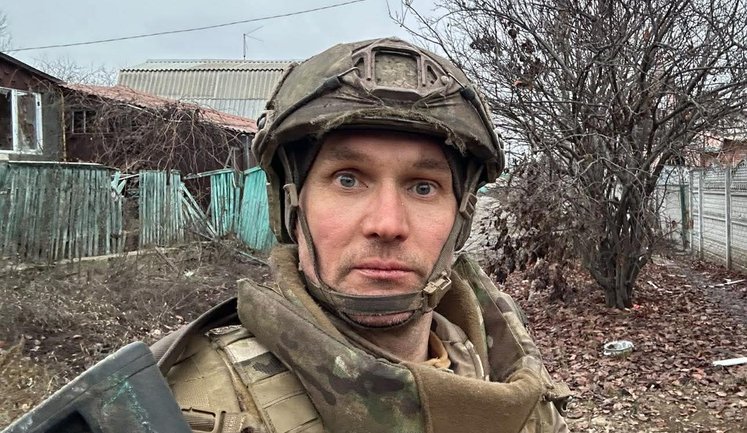
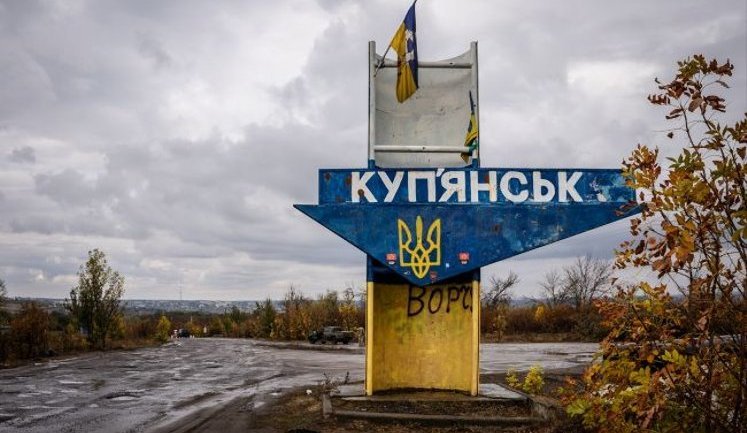
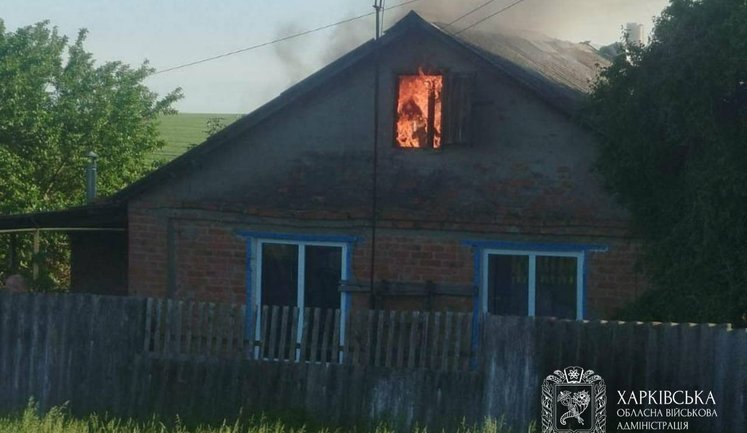
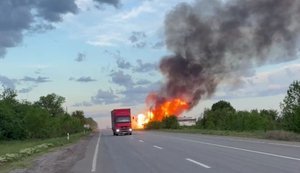
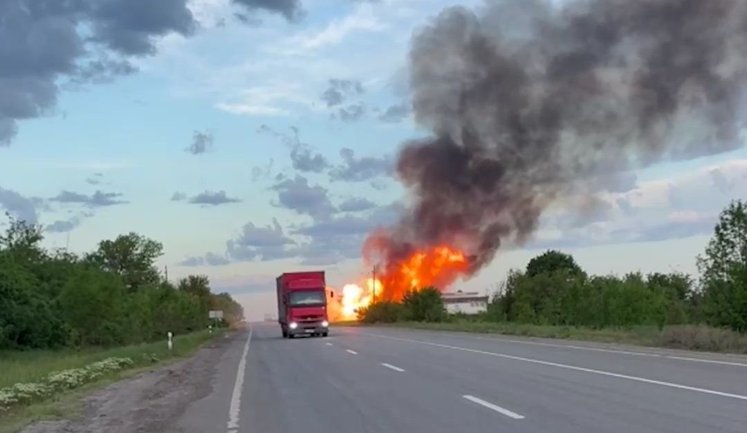
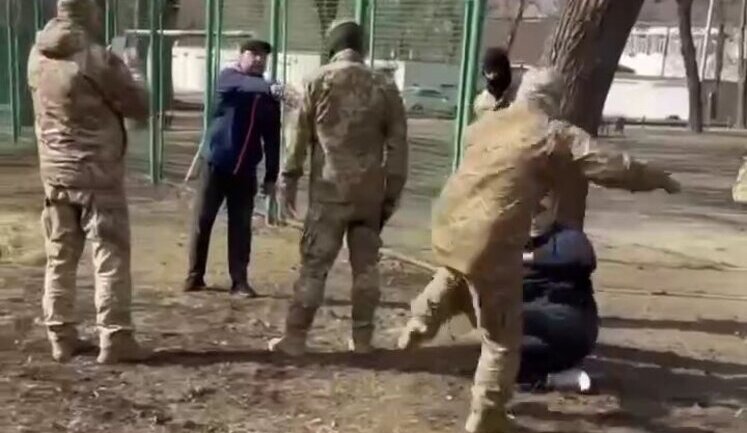
In 2026, the Kharkiv region of Ukraine remains a focal point of intense military and security activity. Recent reports highlight continuous hostilities, with Ukrainian forces actively defending against Russian advances. In Kupiansk, paratroopers of the 77th Brigade have successfully neutralized enemy tanks, artillery, and infantry units, showcasing ongoing resistance against occupying forces. Meanwhile, multiple infrastructure targets, such as Naftogaz facilities, have been repeatedly attacked, emphasizing the vulnerability of critical assets. Civilians are frequently caught in the crossfire, with recent assaults on settlements causing casualties among adults and children alike. The situation remains fluid, with Ukrainian border guards consistently thwarting attempts by Russian troops to breach defenses in various directions. The persistence of drone and missile strikes further complicates the humanitarian and military landscape in the region.
What are the main security challenges in the Kharkiv region?
The Kharkiv region faces persistent security threats from ongoing military operations and regular attacks by Russian forces. Key challenges include defending territorial integrity, safeguarding infrastructure, and protecting civilians from frequent artillery, drone, and missile assaults. Ukrainian forces, including paratroopers and border guards, actively work to repel enemy advances and maintain stability in the region.
How is Ukraine responding to attacks on the Kharkiv region?
Ukraine responds to attacks in the Kharkiv region through comprehensive military operations and strategic defense measures. Paratroopers from the 77th Brigade, border guards, and other military units play crucial roles in countering enemy threats. Efforts focus on neutralizing Russian assault groups, securing regional assets, and minimizing civilian casualties, reflecting a robust defense approach.
What incidents have occurred involving civilian targets in Kharkiv?
Civilian targets in Kharkiv have frequently been affected by Russian military actions. Recent incidents include attacks on residential buildings, educational facilities, and infrastructure, leading to significant casualties and property damage. Efforts continue to protect civilian lives amid ongoing hostilities, highlighting the region's humanitarian challenges.
Are there any specific areas in Kharkiv region facing more frequent attacks?
Specific areas within the Kharkiv region, such as Kupiansk and Vovchansk directions, frequently experience heightened military activity and attacks. These areas are of strategic importance, with both Ukrainian and Russian forces engaging in operations to gain tactical advantages, making them hotspots for ongoing clashes.
What role do drones play in the Kharkiv conflict?
Drones are significant in the Kharkiv conflict, used extensively by both Ukrainian and Russian forces. Russian drones conduct reconnaissance and strike missions, attacking infrastructure and civilian targets, while Ukrainian forces employ electronic warfare to neutralize enemy drones, protecting strategic assets and civilian areas.
How are Ukrainian paratroopers contributing to defense efforts in Kharkiv?
Ukrainian paratroopers, particularly from the 77th Brigade, are integral to defense efforts in the Kharkiv region. They engage in offensive operations targeting enemy armor and artillery, enhance battlefield surveillance, and disrupt Russian advances, thereby strengthening the regional defense posture and deterring further incursions.
What impact do Russian attacks on infrastructure have in Kharkiv?
Russian attacks on infrastructure in Kharkiv severely disrupt regional stability and functionality. Key targets often include energy facilities like Naftogaz, transportation networks, and public amenities. These assaults challenge Ukraine's resource allocation, highlighting the importance of fortifying critical infrastructure against ongoing threats.