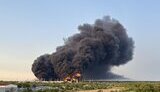
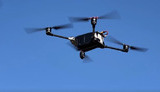
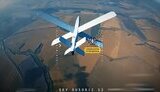
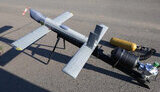
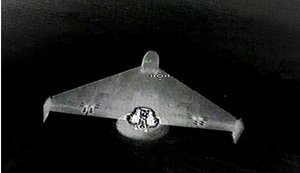
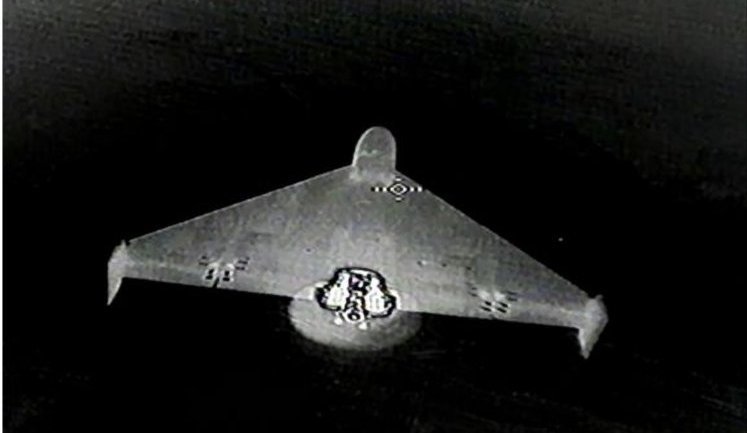
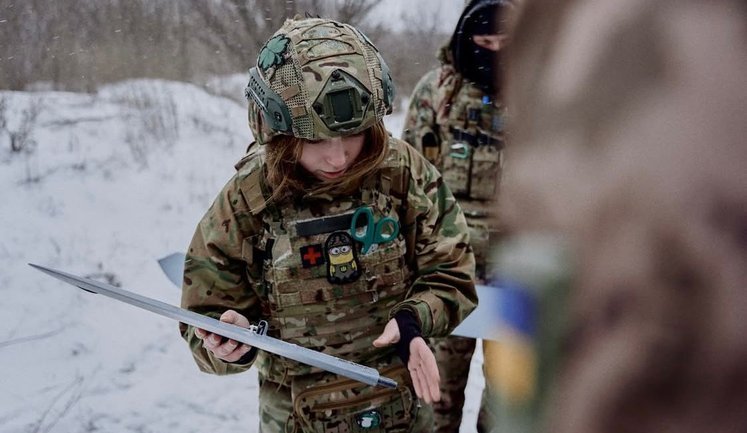
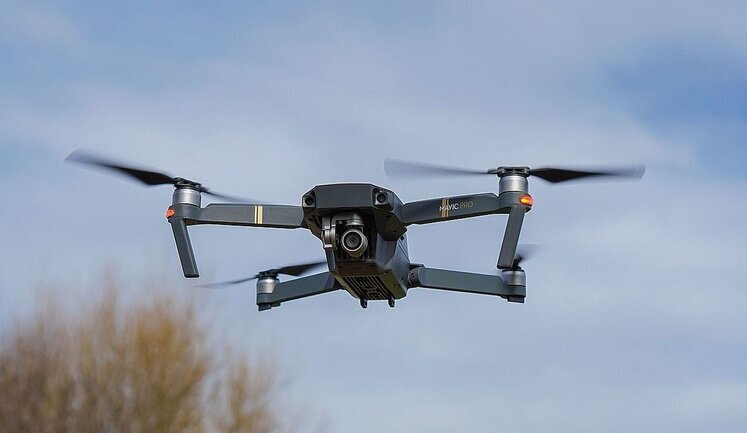
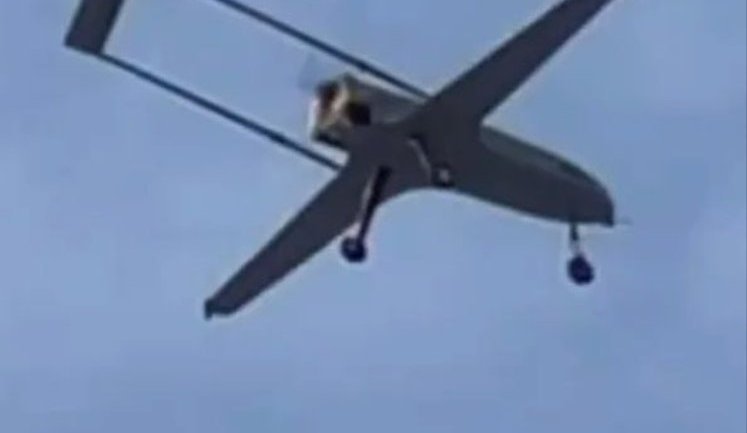
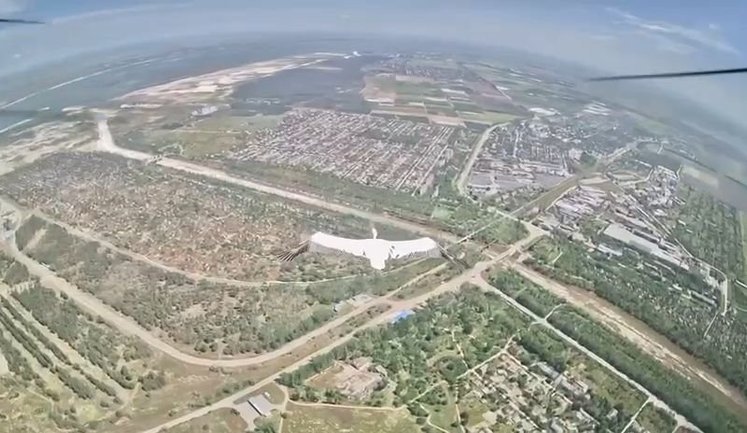
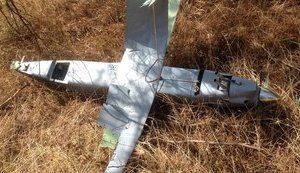
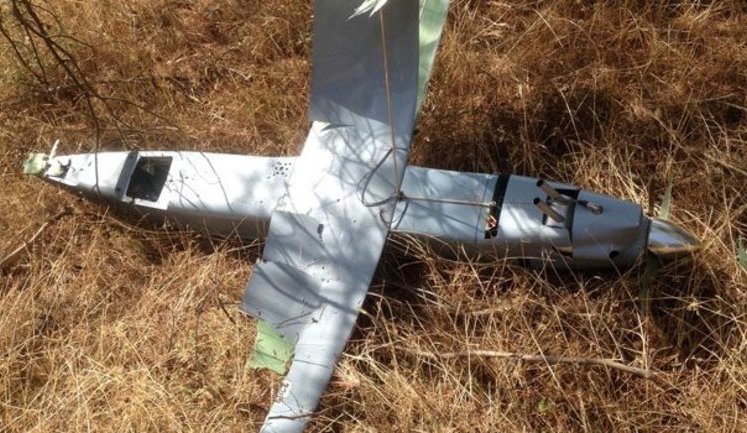
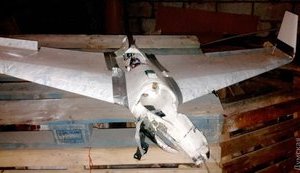
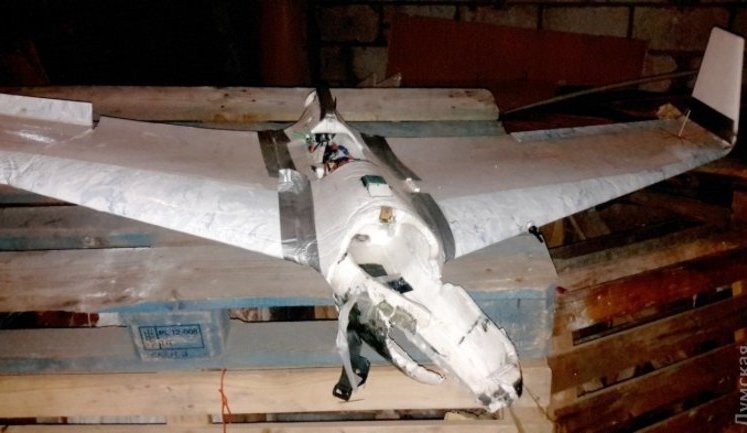
In 2026, drone attacks have been a persistent threat in various regions, with Ukraine frequently targeted by Russian forces. Recent incidents include strikes on Zaporizhzhia, causing casualties and damaging industrial infrastructure. Ukrainian air defenses have been active, destroying numerous enemy UAVs. Meanwhile, drone strikes have also affected Russian territory, with attacks on oil depots in Krasnodar Krai and industrial facilities in Taganrog and Yaroslavl. These events underscore the escalating use of UAVs in the ongoing conflict, highlighting the strategic importance of drones in modern warfare while raising significant national and international security concerns.
What impact have drone attacks had on Zaporizhzhia?
Drone attacks on Zaporizhzhia have resulted in significant damage to industrial infrastructure and have caused casualties, including fatalities and injuries. Such attacks highlight the ongoing threat to this region as part of the broader conflict. The repeated strikes disrupt local industries and endanger civilian lives, emphasizing the necessity for robust defense measures and international diplomatic efforts to alleviate tensions.
How effective is Ukraine's air defense against drone attacks?
Ukraine's air defense has shown considerable effectiveness in countering UAV threats, successfully eliminating a large number of hostile drones. For instance, air defense forces recently managed to destroy 284 enemy targets. This showcases their capability to respond to aerial threats, though the challenge persists due to the diversity and frequency of UAVs launched against Ukraine.
What recent events have unfolded involving Russian infrastructure and drones?
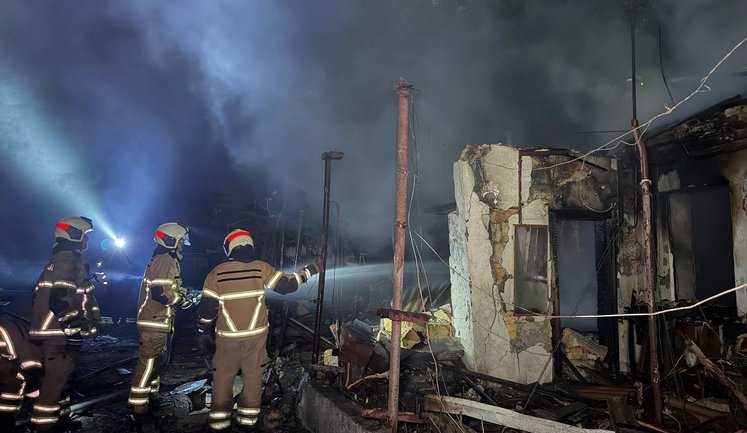
Recently, Russian infrastructure has experienced drone-related incidents, including strikes on oil depots in Krasnodar Krai and attacks on Taganrog's port facilities. These events have led to substantial fires and disruptions, indicative of the heightened risk that drone warfare poses to both military and civilian objectives within Russian territory.
How are drone attacks influencing international politics and relations?
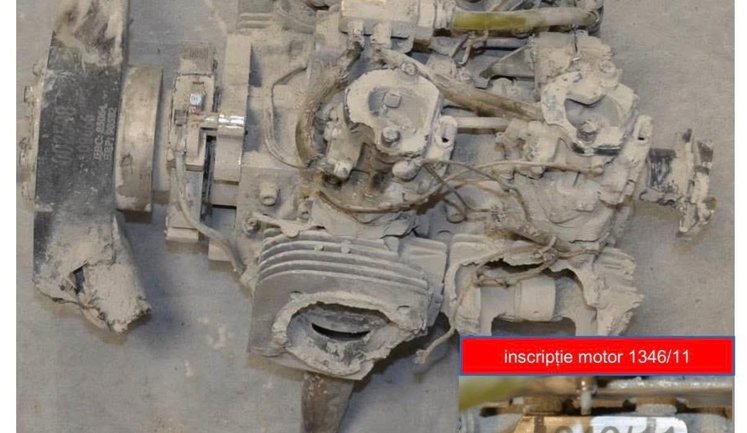
Drone attacks are complicating international politics, exemplified by incidents such as the drone crash in Romania, which breached NATO airspace and provoked political responses. These events strain relations and necessitate diplomatic discourse to prevent escalation, while also prompting discussions on airspace security and defense cooperation among nations.
What are the environmental and humanitarian implications of drone warfare?
Drone warfare presents both environmental and humanitarian challenges, as evidenced by fires at industrial sites and the risk posed to civilian populations. The destruction of infrastructure affects economic stability and can lead to environmental hazards from damaged facilities, thereby necessitating immediate emergency responses and long-term recovery plans.