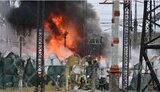
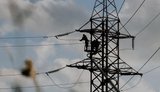
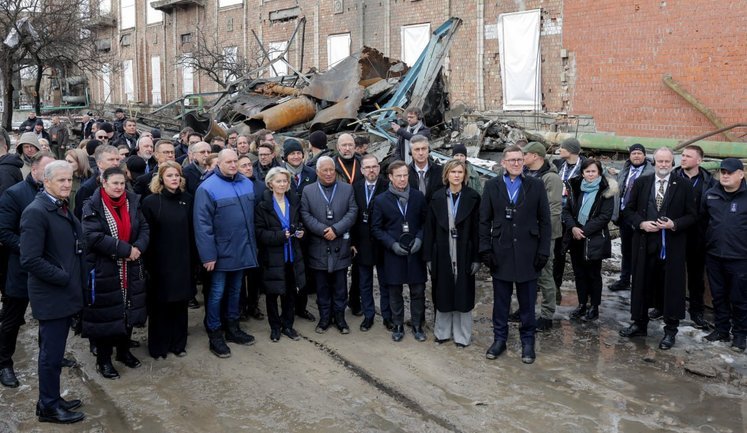
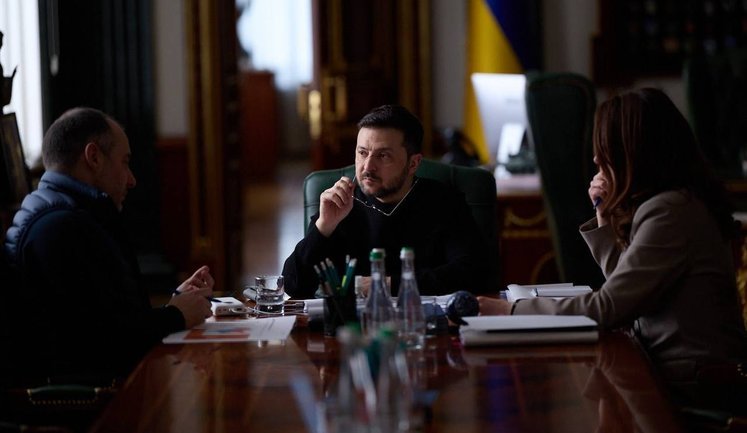
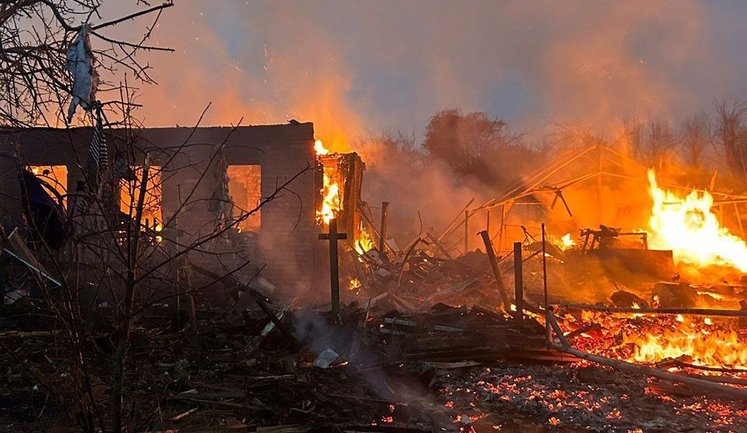
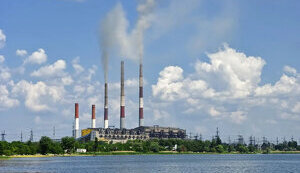
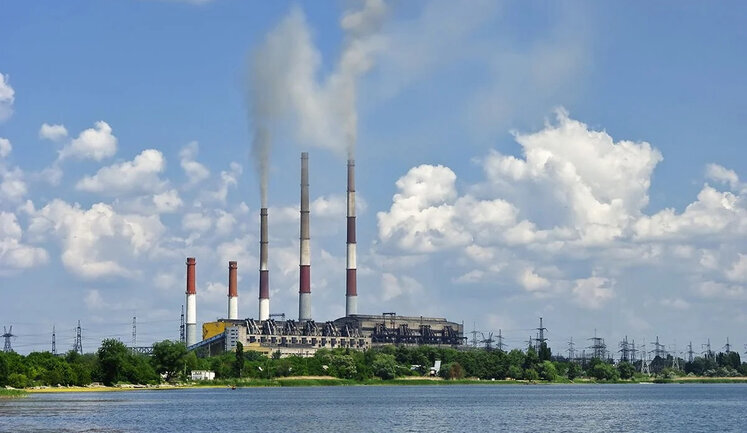
The attacks on Ukraine's energy sector have intensified, causing significant disruptions across multiple regions. Key areas like Kharkiv, Chernihiv, and Kyiv are grappling with outages, affecting thousands of households. These strikes highlight the critical vulnerabilities within Ukraine's energy infrastructure, as acknowledged by European Commissioner Andrius Kubilius, who emphasized the need for enhanced protection. Ukraine has responded with strategic plans to bolster its energy resilience, spearheaded by Prime Minister Yuliia Svyrydenko. Nevertheless, the ongoing shelling poses substantial challenges for rapid restoration efforts, with utility workers working tirelessly under strained conditions. The international community continues its support, providing crucial aid in mitigating these disruptions.
What regions are affected by the latest energy sector attacks in Ukraine?
Recent attacks have particularly impacted regions such as Kharkiv, Chernihiv, and Kyiv, along with Donetsk and Dnipropetrovsk, causing significant power outages and disruptions in energy supply. Utility teams are striving to restore services amid ongoing threats and infrastructure damage.
How is Ukraine addressing the energy sector vulnerabilities caused by Russian attacks?
Ukraine is working on enhancing its energy sector resilience through strategic planning and deregulation, as discussed by Prime Minister Yuliia Svyrydenko. The government, along with international partners, is implementing measures to protect critical infrastructure and ensure more robust energy supply systems.
What is the role of international partners in aiding Ukraine's energy challenges?
International partners, including the EU, are providing essential support to Ukraine by supplying necessary equipment and expertise to counteract the effects of Russian strikes on energy infrastructure. These efforts aim to enhance the resilience and adaptability of Ukraine's energy systems amid the ongoing conflict.
What steps are being taken to restore power in affected Ukrainian regions?
Utility workers are actively engaged in repair and restoration operations across affected regions. This includes deploying additional generators and equipment supported by international aid. Continuous efforts are being made to ensure that power outages are addressed promptly despite the challenges posed by ongoing hostilities.
How have recent energy sector attacks impacted Ukraine's daily life and economy?
The attacks have caused significant disruptions to daily life, with prolonged power outages affecting residential areas, businesses, and essential services. These disruptions have broader implications for Ukraine's economy, challenging industrial operations and infrastructural stability while increasing dependency on international aid and support mechanisms.
What lessons has Europe learned from Ukraine's handling of energy sector attacks?
European countries are examining Ukraine's response strategies to enhance their own defenses against similar attacks. This involves understanding the resilience and rapid response mechanisms employed by Ukraine under such adversities, which can inform stronger protective measures for energy infrastructures across Europe.
How are residents coping with power outages in affected Ukrainian regions?
Residents in affected regions are facing significant inconvenience and adjusting to interrupted power supply schedules. Communities are relying on alternative sources like autonomous power generators while temporary measures are being established to provide essential services and maintain communication during outages.